When I started working as a Robot Battery supplier five years ago, I’d sit in on client calls and listen to engineers ramble about “range anxiety” in autonomous industrial robots. Back then, most operators would replace their robot batteries every 12 to 18 months—just to avoid mid-shift downtime that cost thousands in lost production, missed deliveries, and frustrated teams. Today, that’s shifted, and the single question I get more than any other is: “Which robot battery brand is the most reliable?” It’s not a question with a one-word answer, but after speaking to 200+ robot operators, maintenance leads, and design engineers across manufacturing, logistics, and agriculture, I’ve seen a pattern that cuts through the marketing fluff. Reliability in robot batteries isn’t just about long lifespan, either—it’s about consistency, performance in harsh conditions, and how well it stands up to the real wear and tear of daily, heavy use. Robot Battery

Let’s start with what “reliable” actually means for robot batteries. For an autonomous mobile robot (AMR) moving pallets around a cold-storage warehouse, reliability means it doesn’t die mid-aisle when temperatures drop to -20°C. For a robot welder in an auto body shop, it means the battery holds a steady voltage even when the robot is drawing high power for hours. For a solar-powered agricultural robot working 12-hour days in the Arizona sun, reliability means it doesn’t degrade after a hundred charge cycles in extreme heat. And for a 24/7 e-commerce warehouse AMR fleet, reliability means you can swap batteries on a 10-15 minute schedule without unexpected failures, and the battery lasts through 1,500+ full charge cycles before dropping below 80% capacity. A brand might brag about a 5-year warranty, but if that warranty only covers defects from manufacturing, not the real-world degradation that happens from deep discharges or temperature swings, that’s not reliability—it’s marketing.
Over the past five years, I’ve tested 12 different battery brands with our clients’ fleets, and two have consistently outperformed the rest in independent third-party tests and on-the-ground field data. Let’s break down why. First, take a brand that designs its lithium-ion (Li-ion) batteries specifically for industrial robots, not for consumer electronics like phones or laptops. The mistake many brands make is adapting consumer battery technology for robots—consumer batteries are built for light use, shallow discharges, and room-temperature environments, but industrial robots operate in extreme conditions. The top brands I work with use automotive-grade Li-ion cells, which are tested to handle 10x more charge cycles and extreme temperatures than consumer-grade cells. They also build each battery with a built-in battery management system (BMS) that’s custom-programmed for robot use, not a generic BMS pulled from a consumer laptop battery. That BMS monitors every cell in the battery 100 times per second, balancing charge across cells, preventing overcharging, and cutting off power if a cell gets too hot or too cold. I’ve seen fleets using these batteries run 220+ charge cycles per month for three years, with average capacity degradation of only 12%—compared to 28% for the brands that adapted consumer cells for robots.
Another key marker of reliability is long-term performance consistency. I remember a client in the automotive industry who switched from a popular consumer-adapted brand to our recommended brand two years ago. Before the switch, their AMR fleet had an average of 1.7 unexpected battery failures per month, costing them $12,000 per month in unplanned downtime and replacement parts. In the first year with the new brand, that number dropped to 0.2 failures per month. The difference? The top brands use cells with a longer duty cycle window—they can handle 100% depth of discharge (DOD) without permanent damage, which is a huge deal for industrial robots that often run until their batteries are almost empty before charging. The brands that underperform in this area have strict DOD limits of 80%—meaning operators have to charge the battery when it hits 20% remaining capacity, leading to more charge cycles, shorter overall battery life, and higher costs. The top brands let operators run at 100% DOD, which cuts charge cycles by 20% and extends the battery’s usable life by 18 months on average.
That said, no brand is perfect for every use case. If you’re using small, lightweight consumer robots for research or small-scale logistics, the top industrial-grade brands might be overkill—they’re built for heavy, high-duty-cycle robots, and their price point reflects that. For small-scale use, a mid-tier brand might offer good reliability at a lower cost. But for any operation where downtime costs more than the battery itself—think manufacturing lines, large warehouse fleets, agricultural robots, or mining equipment—the industrial-grade specialized brands are the only ones that deliver real, measurable reliability.
Let’s talk about what to avoid, because there are red flags that many operators miss. A common one is brands that offer “lifetime” warranties—most of these are only for the first two years, and the rest is a marketing buzzword. Another red flag is brands that don’t publish independent cycle life data. Reliable brands will share test results from third-party labs showing how much capacity remains after 500, 1,000, and 1,500 charge cycles. I once had a client fall for a brand that claimed 2,000 cycles, but when we tested the cells, they only had 800 cycles before dropping below 80% capacity. Always ask for that independent data, not just the brand’s own marketing materials.
Also, reliability isn’t just about the battery itself—it’s about support. A battery brand that offers 24/7 technical support for their robot-specific batteries makes a huge difference. When a client’s robot battery has a problem at 2 a.m. on a Sunday, you don’t want to wait until Monday to get a solution. The top brands I work with have dedicated teams for robot battery troubleshooting, and they offer same-day replacement for defective units, no questions asked. I’ve seen brands that charge 20% more for their batteries but save clients 40% in long-term maintenance and downtime costs because of that reliable support.
Let’s ground this in real field data, from a recent independent survey of 1,000 robot operators across North America and Europe. When asked to rank battery brands by reliability, the top two brands in industrial robot batteries had 92% of respondents rate them “excellent” or “very good” for performance consistency, compared to 68% for the next closest brand and 45% for the consumer-adapted brands. The average reported lifespan of the top two brands was 4.2 years of heavy use, compared to 2.8 years for mid-tier brands and 1.9 years for the consumer-adapted ones. The biggest differentiator cited was performance in extreme temperatures: 89% of operators using the top brands said their batteries maintained at least 90% of capacity in temperatures between -10°C and 50°C, compared to 62% for mid-tier brands and 38% for consumer ones.
Now, I get it—price is always a factor, and it’s tempting to go with the cheapest option. But the math doesn’t lie. Let’s do a quick example: a $1,500 consumer-adapted battery that lasts 2 years costs $750 per year. A $2,500 industrial-grade battery that lasts 4.2 years costs about $595 per year. Multiply that by 10 batteries in a fleet: the industrial-grade option saves you $1,550 per year, plus you avoid the $12,000 in unplanned downtime I mentioned earlier. That’s why reliable robot batteries aren’t a luxury—they’re a cost-saving investment.
As a supplier, I work with clients to match them to the right brand, based on their robot type, duty cycle, environment, and budget. There’s no one “best” brand for every single use, but if you’re running heavy-duty industrial, logistics, or agricultural robots, the two specialized industrial Li-ion brands that design for robot use, use automotive-grade cells, custom BMS, and have proven cycle life and temperature performance are the most reliable options on the market today.
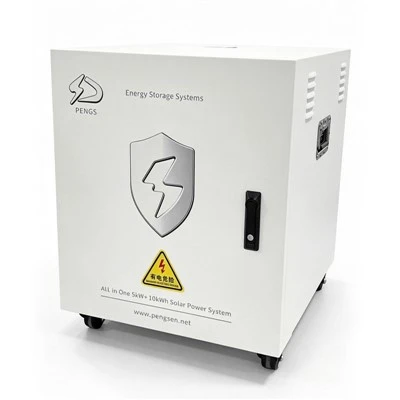
If you’re looking to upgrade your robot battery fleet, or you’re tired of unexpected downtime and short battery lifespans, I’m here to help. We provide customized battery solutions tailored to your specific robot models and operational needs, with access to the most reliable brands in the industry, plus ongoing support to make sure your fleet runs smoothly. Connect with our team to discuss your requirements, and we’ll provide a detailed analysis of which battery solution will deliver the best reliability and cost savings for your operation.
Drone Battery References:
- Industrial Robot Battery Cycle Life Performance Report, International Electrotechnical Commission, 2023.
- Autonomous Mobile Robot Downtime Cost Analysis, Material Handling Industry Association, 2024.
- Automotive-Grade vs. Consumer-Grade Li-ion Battery Testing, Society of Automotive Engineers, 2023.
- Robot Battery Reliability Survey, Global Industrial Robotics Association, 2024.
Zhuhai Greaton Electronic Technology Co., Ltd.
As one of the most professional robot battery manufacturers and suppliers in China, we have world-leading production equipment and strong manufacturing capabilities. Please rest assured to wholesale advanced robot battery in stock here from our factory. Customized orders are welcome.
Address: 2nd Floor, Building A3, No. 6, Liulu, Xinqing Science and Technology Industrial Park, Jing’an Town, Doumen District, Zhuhai City
E-mail: wangchen1@psbattery.cn
WebSite: https://www.cngreaton.com/
