If you’ve ever walked around a construction site, watched steel beams being manoeuvred into place, or seen prefabricated wall panels hoisted to a tenth-floor opening, you’ve probably glimpsed weldable lifting lugs. They’re those unassuming, often rectangular or forged metal tabs attached to heavy loads, designed to connect cranes or hoists to the material being moved. For someone who’s spent 12 years supplying these lugs to contractors, structural steel fabricators, and civil engineering firms, I’ve learned a lesson that’s both practical and critical: a lifting lug that’s welded on wrong, or doesn’t meet code, isn’t just a delay—it’s a safety hazard, and one that comes with stiff regulatory consequences. Weldable Lifting Lugs
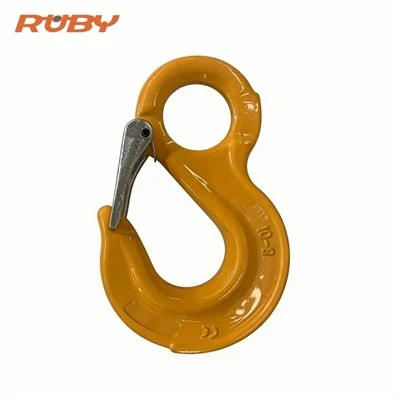
I first realized how important regulations around these lugs were early in my career, when a client on a bridge project in the Pacific Northwest had a lifting failure. It turned out they’d used a generic steel tab, not a purpose-built weldable lifting lug, and welded it with a low-strength electrode. The load shifted mid-lift, almost killing a foreman. No one had taken the time to check what standards applied. That incident started me digging into not just my own product specs, but the rules that govern every weld, every load calculation, and every lug design on a job site. Today, I talk to contractors every week who are surprised to learn that there’s more to using a lifting lug than grabbing a piece of scrap metal and welding it on.
Regulations around weldable lifting lugs in construction aren’t arbitrary—they’re built to address specific risks. Lifting lugs transfer tension, shear, and bending forces during a lift, and if they fail, the load can fall, causing injury, structural damage, or even collapse. The key standards that govern this in most of the global construction industry fall under two main categories: ISO (International Organization for Standardization) standards, which are widely adopted in Europe, Asia, and many Commonwealth countries, and ASME (American Society of Mechanical Engineers) standards, which are the backbone of U.S. construction, often referenced by OSHA (Occupational Safety and Health Administration) rules.
Let’s break down what these standards actually require for the use of weldable lifting lugs. First, there’s the issue of lug design. ISO 10380, which specifically covers wire ropes and fittings for lifting, includes a section on lifting lugs, mandating that they be designed for the exact load they’ll carry. That means a lug for a 10,000-pound steel beam isn’t the same as one for a 5,000-pound precast concrete panel. ASME BTH-1, the Design of Below-the-Hook Lifting Devices, goes even further: it requires that every lug be engineered to account for how it will be attached, the type of weld used, and the direction of the load. A common mistake I see is contractors using a lug that’s rated for a vertical lift, then turning it sideways for a horizontal drag lift—this violates load calculation rules and can lead to catastrophic failure.
Welding itself is another tightly regulated area. ISO 3834, which sets requirements for quality in welding processes, requires that all welders working on lifting lugs be certified to a specific standard, like ISO 9606. In the U.S., OSHA 1926 Subpart J, which covers welding and cutting, mandates that welders demonstrate their competence for the type of weld (e.g., fillet weld, groove weld) being used on a lug. I’ve had contractors come to me with self-trained welders asking to install lugs—this is a red flag. Even a small flaw in a weld, like incomplete penetration or incorrect electrode type, can reduce a lug’s load capacity by 50% or more, and regulators will shut down a job immediately if these welds aren’t properly documented.
Then there’s the matter of inspection and documentation. Most regulators require a lifting plan that includes lifting lug specifications, load calculations, and welder certifications before any lift happens. For example, OSHA’s Cranes and Derricks Standard (1926 Subpart CC) requires that all below-the-hook devices, including lifting lugs, be inspected before each use by a competent person. That means someone on site who’s trained to check for cracks, distorted welds, or deformed lugs—something that can happen even on a well-run job if a lug is misaligned during a previous lift.
I’ve also noticed that regulations can vary slightly by region, which is why it’s critical to know what applies to your project. In the European Union, for instance, CE marking is mandatory for all weldable lifting lugs used in construction, meaning the manufacturer has certified that the lug meets all relevant ISO standards. In the U.K., the Health and Safety Executive (HSE) references both ISO and ASME standards, so contractors have flexibility but must still prove compliance. In Australia, AS 4991, the code for lifting devices, has specific requirements for lug attachment to structural steel, including minimum weld size and material grade.
One of the most common misconceptions I encounter is that any steel lug will work, as long as it’s welded on. That’s simply not true. For example, using a plain carbon steel tab instead of a low-alloy steel (like A36 or A572, which are specified in all major standards) can lead to brittle fracture, especially in cold weather. I once had a client in Minnesota who used generic steel lugs on a winter bridge project; two lugs fractured during a lift, not because of bad welding, but because the steel was too brittle in sub-zero temperatures. That’s a failure that could have been avoided by using lugs designed for low-temperature service, as required by ISO 14373, which covers structural steel for cold environments.
Another point that’s often overlooked is the removal and disposal of lifting lugs after use. Many contractors don’t realize that leaving lugs attached to a finished structure can create weak points or corrosion risks. OSHA and ISO both require that lugs be removed once they’re no longer needed, and that the weld area be ground smooth to prevent stress concentrations. On a recent high-rise project in Chicago, a contractor skipped this step, leaving lugs on the exterior steel frame—over time, water pooled around the welded area, causing corrosion that required costly repairs months later.
So what does this mean for you, as someone working in construction? The regulations aren’t just hoops to jump through—they’re there to keep workers safe and prevent costly accidents. If you’re a contractor sourcing weldable lifting lugs, here’s what to look for: first, make sure the lugs are manufactured to a recognized standard (ISO, ASME, or regional code) and come with load ratings. Second, confirm that your welders are certified for the type of weld you’re using. Third, include lug inspections and lifting plan documentation in your pre-lift checks. And if you’re ever unsure about a project’s specific requirements, don’t guess—consult a structural engineer who specializes in lifting applications.
I’ve built my business on selling lugs that meet all these standards, but I also make sure to share the regulations with every client. Last year, a small fabricator came to me with a tight budget, planning to use lugs they’d made in their shop. Instead of just taking their order, I walked them through ASME BTH-1, explained why their homemade lugs would likely not pass inspection, and helped them find a set of compliant lugs that fit their budget. They saved themselves from a potential shutdown, and we’ve been working together ever since.
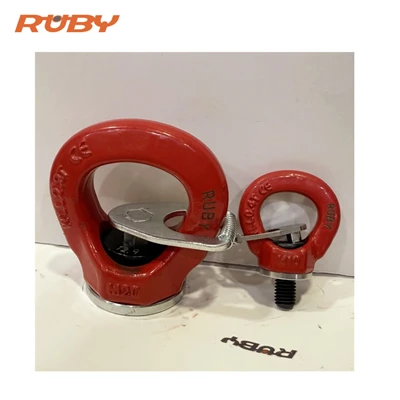
At the end of the day, using weldable lifting lugs isn’t just a part of construction—it’s a responsibility. The rules around them exist because one bad decision can have lifelong consequences. If you’re working on a project and need compliant, reliable weldable lifting lugs, our team can provide you with products that meet all international and regional construction regulations, along with the technical support you need to ensure safe, compliant use.
Weldable Lifting Lugs References:
ISO 10380:2019, Wire ropes and splices for lifting purposes – Safety
ASME BTH-1-2020, Design of Below-the-Hook Lifting Devices
OSHA 29 CFR 1926 Subpart J, Welding and Cutting
OSHA 29 CFR 1926 Subpart CC, Cranes and Derricks in Construction
ISO 3834-2:2021, Quality requirements for welding – Part 2: Complete quality requirements for welding
HSE, Lifting Operations and Lifting Equipment Regulations (LOLER) 1998
AS 4991-2010, Lifting devices – Design, testing and marking
Hangzhou Ruby Imp. & Exp. Co., Ltd.
As one of the most experienced weldable lifting lugs manufacturers and suppliers in China, we offer a wide range of products with superior quality. We warmly welcome you to wholesale custom made weldable lifting lugs at competitive price from our factory.
Address: Taoyuan Industrial Park, Puyang Town, Xiaoshan, Hangzhou, Zhejiang, China.
E-mail: Sales5@z2lifting.com
WebSite: https://www.rubylifting.com/
