Hey there, fellow business owners and shrink-wrap enthusiasts! I’m one of the suppliers for Shrink Tunnels & Accessories, and I’ve seen firsthand how optimizing the shrinking process in a shrink tunnel can make a huge difference in your production. So, I thought I’d share some tips and tricks that I’ve picked up over the years. Shrink Tunnels & Accessories
Understanding the Basics of a Shrink Tunnel
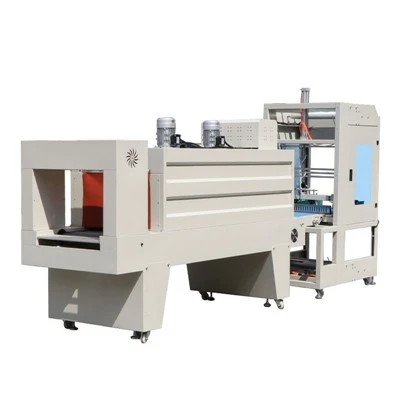
Before we dive into optimization, let’s quickly go over how a shrink tunnel works. A shrink tunnel is a machine that uses heat to shrink plastic film around a product. It typically has a conveyor belt that moves the product through the tunnel. Inside the tunnel, there are heating elements that blow hot air onto the product, causing the plastic to shrink and conform to the shape.
Temperature Control
One of the most crucial factors in the shrinking process is temperature control. If the temperature is too low, the plastic won’t shrink properly, and you might end up with a loose or wrinkled wrap. On the other hand, if it’s too high, the plastic could melt or burn, ruining the product.
I usually recommend starting with the manufacturer’s recommended temperature settings for the specific type of shrink film you’re using. But keep in mind that every machine and environment is a bit different. You might need to do some testing to find the sweet spot. For example, if you’re using PVC shrink film, the typical temperature range is around 275°F to 325°F (135°C to 163°C). But if you’re in a colder environment, you might need to bump up the temperature a bit.
Conveyor Speed
The speed of the conveyor belt also plays a big role. If the belt moves too fast, the product won’t get enough heat to shrink the film completely. If it moves too slow, the plastic might overheat. You need to find a balance.
I suggest starting with a medium speed and then making adjustments based on the results. Watch how the film shrinks as the product moves through the tunnel. If the shrinkage is uneven or incomplete, you might need to slow down the belt. If the film looks burned or over – shrunk, speed it up.
Film Selection
Not all shrink films are created equal. Different types of films have different shrink properties, and choosing the right one can significantly impact the shrinking process.
PVC vs. Polyolefin
PVC (Polyvinyl Chloride) and polyolefin are two of the most common types of shrink films. PVC is generally more affordable and has a high shrink rate. It’s a good choice for products that don’t require a high – quality finish, like some bulk items. However, it does produce some fumes when heated, which can be a concern in some work environments.
Polyolefin, on the other hand, is a more environmentally friendly option. It produces less fumes and has a better clarity and gloss. It’s also more heat – resistant, which means it can handle higher temperatures without melting. This makes it a great choice for products that need a professional and high – quality look, like electronics or cosmetics.
Film Thickness
The thickness of the film also matters. Thicker films are more durable but require more heat to shrink. Thinner films shrink more easily but might not provide as much protection. You need to consider the size and weight of your product, as well as the level of protection it needs.
For small, lightweight products, a thinner film (around 30 – 50 microns) might be sufficient. For larger or heavier items, you might want to go with a thicker film (75 – 100 microns).
Maintenance and Cleaning
A well – maintained shrink tunnel is essential for optimal performance. Over time, dust, debris, and film residue can build up inside the tunnel, affecting the heat distribution and airflow.
Regular Inspections
I recommend doing a visual inspection of the tunnel at least once a week. Check for any signs of wear and tear on the heating elements, conveyor belt, and other parts. Look for loose connections or frayed wires. If you notice any issues, address them immediately to prevent further damage.
Cleaning the Tunnel
Cleaning the inside of the shrink tunnel is also important. You can use a soft brush or a compressed air gun to remove dust and debris from the heating elements and the walls of the tunnel. For stubborn residue, you can use a mild cleaning solution and a damp cloth. But make sure the tunnel is completely dry before using it again.
Pre – Shrink Preparation
Taking some time to prepare your products before sending them through the shrink tunnel can also improve the results.
Product Placement
Make sure your products are properly centered on the conveyor belt. If they’re off – center, the film might not shrink evenly. Also, leave enough space between products to allow for proper airflow. If the products are too close together, the heat might not reach all sides of the film.
Film Cutting
Cut the film to the right size and shape before wrapping it around the product. If the film is too small, it won’t cover the product completely. If it’s too large, it will form wrinkles during the shrinking process. You can use a film cutter or scissors to get a clean cut.
Troubleshooting Common Issues
Even with the best optimization, you might still run into some problems from time to time. Here are some common issues and how to fix them.
Uneven Shrinkage
If you notice that the film is shrinking unevenly, it could be due to uneven temperature distribution or improper product placement. Check the heating elements to make sure they’re all working properly. You might also need to adjust the conveyor speed or re – center the products on the belt.
Wrinkles in the Film
Wrinkles can occur if the film is too loose or if the product is moving around during the shrinking process. Make sure the film is tightly wrapped around the product before sending it through the tunnel. You can also use a heat gun to pre – shrink the film slightly to remove any loose areas.
Burned or Melted Film
If the film is burning or melting, the temperature is probably too high. Lower the temperature setting and reduce the exposure time by increasing the conveyor speed.
Conclusion
Optimizing the shrinking process in a shrink tunnel takes a bit of trial and error, but it’s definitely worth the effort. By controlling the temperature and conveyor speed, choosing the right film, maintaining the tunnel, and preparing your products properly, you can achieve high – quality, consistent shrink – wrapping results.
If you’re looking to improve your shrink – wrapping process or in need of new shrink tunnels and accessories, don’t hesitate to reach out. We’re here to help you find the best solutions for your business. Whether you have questions about product selection, setup, or maintenance, our team of experts is ready to assist.
Automatic Labeling Machines References
- Packaging Machinery Manufacturers Institute (PMMI) – Industry guidelines on shrink – wrapping technology
- Plastic Film Manufacturers Association – Research on different types of shrink films and their properties.
Langfang Huanqi Machinery Equipment Co., Ltd.
As one of the most professional shrink tunnels & accessories manufacturers and suppliers in China, we also support customized service. Please feel free to buy advanced shrink tunnels & accessories for sale here from our factory. Quality products and reasonable price are available.
Address: No. 40, Row 11, North Side of Central Street, Wangpeizhuang Village, Pingshu Town, Dacheng County, Langfang City, Hebei Province
E-mail: huanqijixie@outlook.com
WebSite: https://www.huanqiwrap.com/
