In the realm of data communication, the role of cables cannot be understated. As a provider of data communication cables, I’ve witnessed firsthand the crucial importance of cable flexibility in ensuring seamless and efficient communication. Flexibility is not just a physical characteristic; it’s a key factor that influences the performance, longevity, and ease of installation of data communication cables. In this blog, we’ll delve into the cable flexibility requirements for data communication cables, exploring why they matter and how they impact various applications. Data Communication Cable
Understanding Cable Flexibility
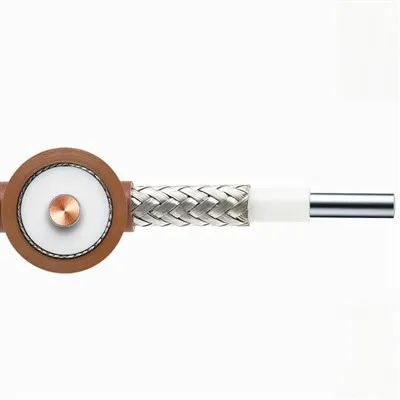
Flexibility in data communication cables refers to the ability of the cable to bend and move without significant degradation in its electrical performance. This characteristic is determined by several factors, including the type of conductor, insulation material, and cable construction. A flexible cable can adapt to different installation environments, making it easier to route through tight spaces and around obstacles.
Importance of Cable Flexibility
The importance of cable flexibility becomes evident when considering the diverse range of applications in which data communication cables are used. In modern offices, data centers, and industrial settings, cables need to be routed through complex pathways, often requiring numerous bends and turns. A flexible cable can be easily maneuvered through these spaces, reducing installation time and cost.
Moreover, in applications where cables are subject to repeated movement or vibration, such as robotics or moving machinery, flexibility is essential to prevent cable damage and ensure reliable performance over time. A flexible cable can withstand the stress of bending and flexing without breaking or losing its electrical integrity, minimizing the risk of downtime and maintenance.
Flexibility Requirements in Different Applications
Office Environments
In office environments, data communication cables are typically used for networking and telecommunications. These cables need to be flexible enough to be installed under desks, through cable trays, and around furniture. The ability to bend the cable easily without kinking or damaging it is crucial for a neat and organized installation. Additionally, in open – plan offices where cable management systems are used, flexible cables can be easily adjusted and re – routed as office layouts change.
Data Centers
Data centers are the nerve centers of modern businesses, housing a vast amount of servers and networking equipment. Cables in data centers need to be highly flexible to accommodate the high – density rack installations. They must be able to bend sharply around server racks and through cable management systems without causing signal loss. The flexibility of cables also plays a role in reducing cable clutter, which can improve airflow and cooling efficiency in the data center, ultimately leading to cost savings.
Industrial Applications
In industrial applications, data communication cables are exposed to harsh environments, including extreme temperatures, vibrations, and mechanical stress. These cables must be flexible enough to withstand the movement and vibration of machinery while maintaining their electrical performance. For example, in automated manufacturing plants, cables are used to connect sensors, controllers, and actuators. The flexibility of these cables allows them to follow the movement of robotic arms and other moving parts, ensuring continuous and reliable communication.
Factors Affecting Cable Flexibility
Conductor Material
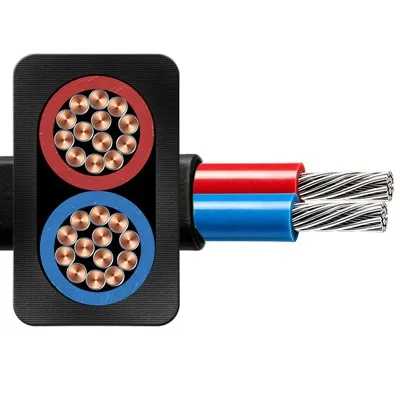
The choice of conductor material has a significant impact on cable flexibility. Copper is a commonly used conductor material in data communication cables due to its excellent electrical conductivity. However, different types of copper conductors, such as solid copper and stranded copper, offer different levels of flexibility. Stranded copper conductors are more flexible than solid copper conductors because they consist of multiple small strands of copper wire twisted together. This construction allows the cable to bend more easily without breaking the conductor.
Insulation Material
The insulation material used in data communication cables also affects flexibility. Some insulation materials, such as polyethylene (PE) and polyvinyl chloride (PVC), are more flexible than others. PE is known for its good flexibility and low dielectric constant, making it suitable for high – frequency applications. PVC, on the other hand, is a more rigid insulation material but is often used in applications where cost and flame retardancy are important factors.
Cable Construction
The overall construction of the cable, including the number of conductors, shielding, and jacket material, can influence its flexibility. Cables with a smaller diameter and fewer conductors are generally more flexible than larger, multi – conductor cables. Additionally, the type of shielding used in the cable can affect its flexibility. Foil shielding is more flexible than braided shielding, but braided shielding provides better electromagnetic interference (EMI) protection.
Testing and Certification
To ensure that data communication cables meet the required flexibility standards, they undergo rigorous testing. Flexibility testing typically involves bending the cable a specified number of times at a specific radius and measuring the electrical performance before and after the test. This test simulates the real – world conditions that the cable may encounter during installation and use.
Certification bodies, such as the International Electrotechnical Commission (IEC) and the Telecommunications Industry Association (TIA), have established standards for cable flexibility. Cables that meet these standards are labeled with the appropriate certification, indicating that they have been tested and approved for use in data communication applications.
Our Approach as a Data Communication Cable Supplier
As a data communication cable supplier, we understand the importance of cable flexibility in meeting the diverse needs of our customers. We offer a wide range of cables with different levels of flexibility to suit various applications. Our engineering team works closely with customers to understand their specific requirements and recommend the most suitable cable solutions.
We use high – quality conductor materials and insulation materials to ensure that our cables are not only flexible but also have excellent electrical performance and durability. Our cables are manufactured using advanced production techniques and undergo strict quality control measures to meet or exceed industry standards.
In addition to providing high – quality cables, we also offer technical support to our customers. Our team of experts can assist with cable selection, installation, and troubleshooting, ensuring that our customers get the most out of our products. We believe that by providing reliable and flexible data communication cables, we can help our customers build robust and efficient communication networks.
Conclusion
Cable flexibility is a crucial factor in data communication cables, influencing their installation, performance, and longevity. Different applications have different flexibility requirements, and it’s essential to choose the right cable based on the specific needs of the project. As a data communication cable supplier, we are committed to providing high – quality, flexible cables that meet the diverse needs of our customers.
If you are in the market for data communication cables and are looking for reliable and flexible solutions, we invite you to contact us. Our team of experts is ready to discuss your requirements and provide you with the best cable options for your project. Let’s work together to build a seamless and efficient data communication network.
Electric Wire References
- International Electrotechnical Commission (IEC) standards on cable performance and flexibility.
- Telecommunications Industry Association (TIA) standards for data communication cables.
- Technical literature from cable manufacturers on cable construction and flexibility testing.
Yangzhou Huayu Cable Co., Ltd.
Yangzhou Huayu Cable Co., Ltd. is one of the most professional data communication cable manufacturers and suppliers in China, also supports customized service with low price. Please feel free to wholesale advanced data communication cable made in China here from our factory. Contact us for pricelist.
Address: No. 9 Jingang Road, Yangzhou City, Jiangsu Province, China
E-mail: huayucableco@126.com
WebSite: https://www.huayucabletech.com/
