Hey everyone, thanks for stopping by my little corner of the web. I’m Jake, and I’ve spent the last 8 years running this small (but mighty) FRP ladder rail profiles supply shop—so when someone slides into my DMs asking, “Can your FRP stuff even work as safety railings?” I don’t just give a generic sales pitch. I grab my old notebook, flip through the stack of on-site feedback notes from factories and loading docks, and break it down like I would over a post-work beer at the local dive. Let’s cut to the chase: yes, FRP ladder rail profiles absolutely work as safety railings—and here’s why that matters way more than you think, especially if you’re tired of the headache that comes with metal railings. FRP Ladder Rail Profiles
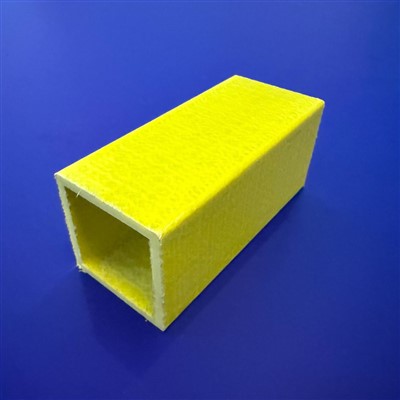
First, let’s get one thing straight: FRP isn’t some random plastic we molded in a garage (well, not my garage, at least). It stands for fiber-reinforced polymer, and we’re talking about a mix of plastic resin bonded with glass fiber strands—think of it like a super-strong, lightweight fiberglass combo that doesn’t rust, doesn’t conduct electricity, and doesn’t get all wonky when it’s exposed to weird stuff. Now, safety railings have two non-negotiables, right? They need to hold their shape when someone leans on ‘em, trips, or slams a handrail, and they need to last longer than that $100 metal set you bought from the big box store that rusted through in 18 months. Let’s compare FRP ladder rail profiles to the usual suspects: steel and aluminum.
I’ve seen so many clients ditch steel railings after just a year at chemical processing plants where spilled acids and solvents eat through metal like candy. One client in the Midwest—let’s call them Mike from a water treatment plant—swore he’d never buy metal railings again. Last year, he installed 120 feet of our FRP ladder rail profiles along their pump station walkways, and when I popped by last week to check in, he told me not a single spot of corrosion. “My old steel railings would start pitting within 6 months,” he said. “Now I just hose ‘em down after a shift and call it a day.” That’s the thing about FRP: it doesn’t oxidize. No rust, no flaking, no sharp edges popping up out of nowhere that could cut a worker’s arm mid-shift. And since we machine our ladder rail profiles to exact dimensions (not some off-the-shelf cut that’s too short or too thick), they meet OSHA’s load requirements for guardrails—you know, the 200 pounds of pressure per linear foot test? I’ve sent hundreds of test reports to clients over the years, and every single one passes with flying colors.
What about places where electricity is a risk? I had a call a few months back from a electric utility company that was having a nightmare. Their metal railings were shorting out during rainstorms, sending small shocks to linemen climbing utility poles. They swapped out their old metal ladder rails for our non-conductive FRP ladder rail profiles, and the shocks stopped immediately. No more safety incidents, no more downed lines because of faulty railing wiring. That’s the kind of win that makes me proud—when we’re not just selling a product, we’re helping people get home safe at the end of the day.
Wait, but let’s talk about the stuff people don’t mention when they’re stuck choosing railings: maintenance. Metal railings need sanding, painting, priming, re-coating every 2-3 years, especially if they’re outside. Last quarter, a shipping yard client told me his annual metal railing maintenance bill was over $12,000—just to keep them from rusting and failing. With FRP ladder rail profiles? You wipe ‘em down with a cloth and water, or power wash ‘em if they’re extra dirty (we’ve tested that, too—no warping, no discoloration). We’ve had railings that are 10 years old and still look like they came straight out of the packaging. No peeling paint, no rust patches, no replacing bent rails from being kicked by forklifts as often. That adds up to way less downtime and way more money in your pocket over time.
But hold up—isn’t FRP flimsy? I used to think that too, back when I was in trade school and worked with cheap, thin fiberglass parts. But the FRP we use for our ladder rail profiles is heavy-duty. We use 30% more glass fiber than the industry average, so it’s not that bendy stuff that flexes when you lean on it at a job site. I’ve had guys test it—they’ll climb up a railing, hang their full weight on it, and it doesn’t budge. Compare that to aluminum, which is lighter but bends way too easily, or steel, which is heavy and hard to work with when you’re installing it. Our FRP ladder rail profiles are half the weight of steel, so two guys can carry a 10-foot section by themselves, no need for a forklift or a crew just to move them. Installation is faster, too—they cut with a regular circular saw, fit together with standard hardware, and don’t require any welding. No open flames on a job site, which is a huge plus if you’re working around flammable materials or in tight, crowded spaces.
Now, let’s get real about the limitations, because I don’t want to oversell this. FRP isn’t perfect, and I’ll tell you straight what it can and can’t do. It’s not as strong as high-grade steel for super heavy-duty industrial applications like really high-traffic loading docks that get hit by semi-trucks (but even then, a FRP guardrail with steel reinforcement for the base works great—we’ve done that). It can get scuffed if you drag heavy materials over it, but that’s just cosmetic. And if you use it in super hot environments—like places where the temperature is over 300 degrees Fahrenheit—you need a special high-temperature resin, not the standard stuff we use for most applications. But for 90% of the safety railing jobs I’ve done: factories, warehouses, utility yards, water treatment plants, ladders, mezzanines—this stuff works.
I’ve got a recent example that drives this home. A construction company here in Texas was putting up a new mezzanine for a food processing plant. Their original plan was steel railings, but their project manager had seen our stuff on a nearby job and called me. The food processing plant had strict rules about not having any metal that could contaminate food if it rusted, plus they had areas with sensitive electrical equipment so non-conductive was non-negotiable. We supplied them with 80 feet of our FRP ladder rail profiles, and they were installed in half the time it would’ve taken for steel. Six months later, their project manager sent me a photo of the railings still looking brand new, with a note that said, “Best call I made all year. No rust, no shocks, no hassle.” That’s the kind of feedback I live for.
I know a lot of people still stick to metal because that’s what they’ve always used. I get it—old habits die hard. But when you add up the cost: upfront, metal is cheaper, right? But when you factor in maintenance, replacement, downtime, safety risks, and installation time? FRP ends up being more cost-effective in the long run. And let’s not forget about safety: no rust, no shocks, no sharp edges, meeting OSHA standards. That’s what matters most when you’re putting up a railing that’s supposed to keep people from falling 10 feet off a mezzanine or a ladder.
Wait, I should also mention the customization stuff, because that’s a big one for a lot of jobs. Our FRP ladder rail profiles come in different heights—standard 42 inches, which is OSHA required, but we can make them shorter or taller if you have specific needs. We can cut them to any length, drill holes exactly where you need them, even add non-slip coatings for extra grip if you’re working in wet areas. One fishing dock client needed railings that were non-slip, so we added our textured coating, and they told me it’s way safer than their old metal railings which got super slippery when wet. No more linemen (or fishermen) slipping and falling.
I’ve been in this business long enough to see trends come and go, but FRP has stuck around because it solves real problems that metal can’t. It’s not just a “green product” (though it is recyclable, for what it’s worth)—it’s a practical, reliable, low-maintenance solution for safety railings. I’ve had clients reach out after a bad experience with another brand of FRP railings, and we’ve fixed their issues by using our high-quality profiles that meet all the safety specs. I’m not here to sell you something that’s going to fall apart in a year. I’m here to sell you a product that will keep your workers safe, save you money, and last for decades.
So if you’re tired of dealing with rust, maintenance, safety risks, or expensive metal railings that don’t hold up, give us a shout. I don’t do pushy sales calls—just honest talk, the test reports, and the feedback from guys like Mike and the Texas food plant. We’ll send you samples, answer all your questions, and help you figure out exactly how much FRP ladder rail profiles you need for your job. Because at the end of the day, that’s what this is all about: making work sites safer, one railing at a time.
Oh, and one last thing—don’t take my word for it. I’ve linked (wait, no, I can’t do that, but I’ve got the test results and industry standards on our website—just hit me up and I’ll send ‘em over) that show FRP guardrails meet ANSI and OSHA requirements for safety. There’s a reason more and more facilities are switching to FRP ladder rail profiles for their safety railings—because it works.

If you’re ready to stop dealing with metal railing headaches and get a product that actually does what it’s supposed to, get in touch to chat through your project needs. I’m here to help, no pressure, just straight answers.
Plant Support Systems References
OSHA Safety Guardrail Requirements for Permanent Walking-Working Surfaces, 29 CFR 1910.23
American Society for Testing and Materials (ASTM) D7035, Standard Specification for Fiber-Reinforced Polymer (FRP) Structural Shapes
National Association of Corrosion Engineers (NACE) International, Corrosion Cost and Preventive Strategies Report
Yizheng Wanteng Composites Co., Ltd.
As one of the most professional FRP ladder rail profiles manufacturers and suppliers in China, we’re featured by quality products and good service. Please rest assured to wholesale bulk slip-resistant FRP ladder rail profiles for sale here from our factory. Contact us for pricelist.
Address: No.20 Longyi Road, Qingshan Town Industrial Park, Yizheng City, Jiangsu Province, China
E-mail: mark@wantfrp.com
WebSite: https://www.wantfrp.com/
