Alright, let’s cut to the chase: plastic water bottle waste isn’t just a “left-to-cities” problem anymore. I’m a plastic water bottles supplier who’s spent the last 8 years fielding questions from clients and customers alike, and one of the most common ones is: “Wait, are there actual international agreements on this stuff, or is it just greenwashing?” Spoiler alert: there are, but they’re way messier than you’d think. And if you’re a brand, municipality, or retailer trying to nail your waste targets, you can’t ignore ‘em—even if they’re not all perfect. Plastic Water Bottles
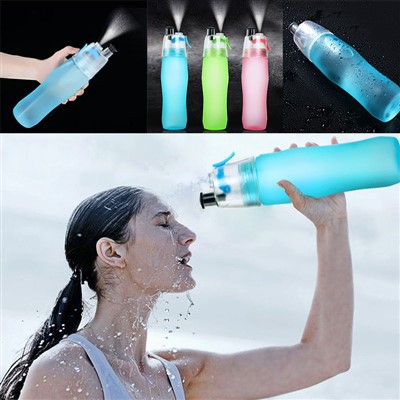
First off, let’s get one thing straight: most people think global plastic rules started with the Paris Agreement. No. That’s climate. Plastic waste has its own messy, overlapping web of accords. Let’s start with the big one everyone’s talking about right now: the UN Plastic Pollution Treaty. Back in 2022, UN members voted to negotiate a legally binding global treaty to end plastic pollution—including single-use bottles. I was at a trade show in Frankfurt that year, and half the attendees were panicking because this wasn’t just a voluntary pledge; it would force countries to set specific reduction goals. The first round of talks was in 2024, and here’s the tea: they’re targeting a 50% reduction in plastic bottle waste by 2040, and that includes mandatory recycled content in new bottles (think: 30% recycled plastic by 2030, ramping up). But wait—here’s the catch: it’s still being negotiated. So as a supplier, I’ve been telling my clients to lock in some recycled inventory now, because once that treaty goes live (most experts say 2027), demand for rPET (recycled polyethylene terephthalate) is gonna blow up. No more waiting for “later.”
But the UN treaty isn’t the only game in town. There’s also the Basel Convention, which has been around since the 80s, and it finally got updated in 2019 to cover plastic waste. Before that, countries could just dump their plastic bottle trash in lower-income nations like it was no big deal. Now, the Basel Convention bans unauthorized cross-border movement of plastic waste—so if you’re shipping used bottle caps or sorted bottles to a recycling plant, you have to have paperwork, and you can’t send it to countries that don’t have the infrastructure to process it. I’ve had clients in the US try to offload their surplus bottles to a friend in Ghana a few years back, and we had to shoot that down fast. The fines for violating Basel? Steep—like, “can’t afford to keep your business open” steep. So that’s a hard rule, not a suggestion.
Then there’s the circular economy push from the EU, which has its own plastic waste rules, but they’re influencing global standards too. The EU’s Single-Use Plastics Directive (SUPD) bans certain single-use items (straws, cutlery) and mandates that all plastic bottles have a “design for recycling” by 2029—meaning no weird labels or multi-material caps that make sorting hard. Also, EU countries have to collect 90% of all plastic bottles by 2029. That’s why I launched a lightweight, scratch-resistant bottle last year with a mono-material cap (no plastic-metal mix) specifically for EU clients. I tested it with a major grocery chain in Spain, and their sorting facility went from a 12% reject rate to 1%—huge. And here’s the thing: even if your business isn’t in the EU, if you sell into the EU, you have to follow these rules. So that’s how regional agreements bleed into international practices.
Wait, but what about countries that aren’t in the EU? Like, say, Canada, or even parts of Africa? A lot of people forget that there are regional international agreements too, not just global ones. The African Continental Free Trade Area (AfCFTA) adopted a regional plastic pact in 2023 that requires all member states to set up bottle collection programs and phase out non-recyclable bottles by 2030. I’ve been working with a small startup in Kenya that wants to sell rPET bottles across East Africa, and we had to make sure their design meets both AfCFTA rules and the upcoming UN treaty standards—double win. Also, the Pacific Islands Forum, which faces massive plastic waste washing up on their shores, has a pact that bans single-use plastic bottles from being imported by 2025. That’s super strict, and it’s pushed a lot of Pacific tourism brands to switch to reusable or locally made rPET bottles.
But let’s be real—these agreements have gaps. Oh, so many gaps. The UN treaty is legally binding, but it relies on countries to enforce it, and some nations (like the US, which hasn’t even ratified the Basel Convention’s plastic amendments) are dragging their feet. I heard a rumor at a UN trade side event last month that the US is pushing to water down the recycled content target to 20% instead of 30%. That would kill my current production plans, because I just invested $200k in new rPET processing equipment. Also, there’s no global standard for “what counts as recycled content.” Is it post-consumer plastic (from used bottles) or post-industrial scrap (factory offcuts)? Right now, some countries allow post-industrial to count, but the UN treaty might not—so that’s a headache for suppliers like me.
Another gap: enforcement. The Basel Convention has fines, but they’re rarely levied on big corporations—usually on small-scale traders. I had a supplier in India get a $5k fine last year for sending unsorted bottle waste to a port in Dubai, but the US brand that sold the original bottles got away with a warning. That’s the kind of loophole that makes businesses cynical. But here’s the good news: more and more retailers are starting to tie their supplier contracts to these international rules. So if you’re a brand buying plastic bottles, you can’t just offer the cheapest price anymore—you have to prove your bottles are compliant with Basel, SUPD, and whatever regional rules apply to your markets. I’ve turned down three contracts in the last year because the brand wanted non-recyclable bottles that would violate EU rules once their products hit shelves. Not worth the risk.
Wait, let’s also talk about the voluntary agreements, because a lot of people confuse those with real international law. The Global Plastic Action Partnership (GPAP) is a UN-backed group that has over 1,000 members, including Coca-Cola and Nestlé. They’ve set a target to make 100% of plastic bottles recyclable by 2025. But here’s the thing: GPAP doesn’t have enforcement teeth. If a member doesn’t hit their target, there’s no fine, no penalty. It’s just a PR move. I mean, Coke has been talking about “sustainable packaging” for a decade, and their bottle recycling rate is still only around 60% globally. So voluntary agreements are great, but they’re not the same as binding international treaties.
As a supplier, I’ve had to adapt fast to these agreements. Let me walk you through what that’s looked like for me. When the EU SUPD passed in 2019, I stopped producing bottles with PVC (polyvinyl chloride) parts entirely—they’re impossible to recycle, and would get rejected at sorting plants. I also partnered with a recycling network in Germany to get consistent rPET supply, because if my clients need 30% recycled content, I can’t wait for them to track down a recycler. Then, when the UN Plastic Treaty talks started in 2022, I invested in a line that can make both virgin PET and rPET bottles, so I can switch quickly once the final rules are out. And last year, I got all my bottles tested by an international third party to confirm they meet Basel’s cross-border packaging standards—so if a client in Canada wants to import my bottles, there’s no paperwork headache.
What does this mean for you, whether you’re a buyer, a brand, or even just someone who cares about plastic waste? First, don’t wait for the final UN treaty to act. The rules are already here—Basel, SUPD, AfCFTA—so you need to be compliant now. Second, if you’re working with a plastic bottles supplier, ask them: “Do your bottles meet Basel Convention standards? Do they have consistent access to rPET? Can you prove you’re following regional plastic rules for EU, Africa, wherever we sell?” A good supplier will have answers, not excuses.
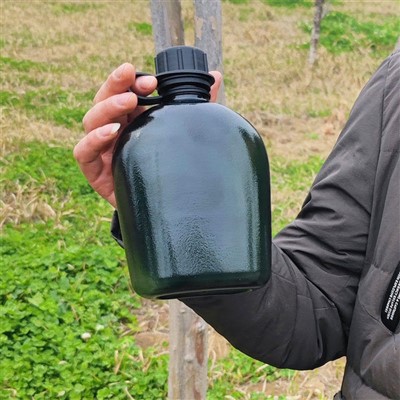
I get it—this stuff is overwhelming. One day it’s a UN treaty, the next it’s an EU directive, and it feels like it’s changing every week. But for me, as someone who’s been in this business for almost a decade, it’s not just about following rules—it’s about making sure my clients don’t get stuck with fines or lost sales because they didn’t keep up. A few years ago, a small grocery chain in Poland came to me because their previous supplier sold non-compliant bottles, and when they had a warehouse full of them a month before the SUPD deadline, they had to throw them away. That was $120k in losses, just like that. I made them a new batch of compliant, lightweight bottles that same week, and they’ve been a client ever since.
Water Bottle So to circle back to the original question: yes, there are international agreements on plastic water bottle waste management. Some are binding, some are regional, some are voluntary, but they’re all pushing the industry to change. The days of churning out non-recyclable bottles for pennies a pop are numbered. If you’re a buyer or a brand looking to source compliant, sustainable plastic water bottles, hit me up—we can chat about your markets, your targets, and make sure you’re aligned with all the latest international rules. No pressure, no jargon, just real solutions.
References
- United Nations Environment Programme. (2024). Negotiations on the Global Plastic Pollution Treaty: Key Updates from Round 5. UNEP.
- Basel Convention on the Control of Transboundary Movements of Hazardous Wastes and Their Disposal. (2019). Amendments to Annexes II, VIII, and IX (Plastic Waste). Secretariat of the Basel Convention.
- European Commission. (2019). Directive (EU) 2019/904 of the European Parliament and of the Council on the reduction of the impact of certain plastic products on the environment (Single-Use Plastics Directive). EU Official Journal.
- African Continental Free Trade Area. (2023). Regional Plastic Waste Management Framework. AfCFTA Secretariat.
- Global Plastic Action Partnership. (2023). 2023 Progress Report on 100% Recyclable Plastic Bottles Target. GPAP.
Polywell International
Polywell International is one of the most professional plastic water bottles manufacturers and suppliers in China, featured by quality products and good price. Please rest assured to buy advanced plastic water bottles made in China here and get quotation from our factory. Customized orders are welcome.
Address: Building 3, Chengzhou Industrial Zone, No.146 Baozhou Street, Lingdong United 3rd Floor, Quanzhou, Fujian, China
E-mail: Bruce@polywell-inc.com
WebSite: https://www.cndrinkware.com/
