If you’ve ever walked through a home improvement store or shopped for new windows online, you’ve probably glanced at aluminum window displays and stopped at one question: Do aluminum windows come with screens? As someone who’s spent over a decade working directly with aluminum window production, custom orders, and customer installations, I can tell you the answer isn’t a simple yes or no—and the decision you make matters more than you might think. Too many homeowners and contractors assume screens are a standard add-on, or that they’re useless for aluminum windows, but the reality is tied to your window style, your location, and how you plan to use your space. Let’s break this down without the confusing industry jargon. Aluminum Windows
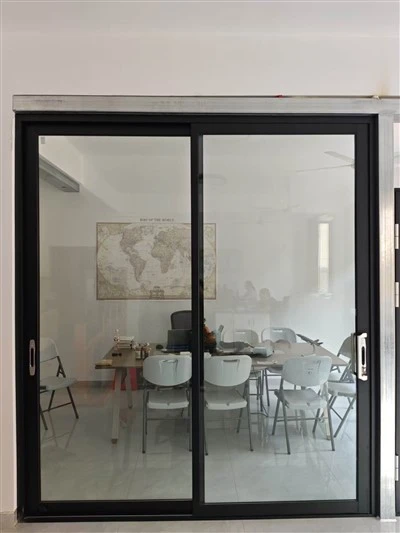
First, let’s start with the basics of aluminum window design, because that’s why screens work (or don’t work) differently here than on wood or vinyl windows. Aluminum is a lightweight, durable metal that’s extruded into frames, sashes, and glass channels to fit every window type you’ll find in residential or commercial builds. Unlike vinyl, which is usually formed into solid shapes, aluminum frames have narrow, hollow profiles that leave small gaps for hardware, weatherstripping, and—when specified—screen tracks. That track is the non-negotiable part of a screen’s fit; without it, you’re either forcing a screen that doesn’t seal right, or you’re leaving gaps that let insects, dust, and debris inside.
Now, to answer the core question: No, aluminum windows don’t automatically come with screens as a standard feature. That might surprise some people, especially if you’ve bought windows for a new construction home where screens were included, but that’s usually a builder’s choice, not a manufacturer default. Here’s why: Builders often prioritize cost efficiency, and not all aluminum window models are designed to accommodate screens. Casement windows, for example, open outward on a hinge, so their sash swings away from the frame—adding a screen to the interior or exterior can interfere with that swing path. Sliding windows, which have two sashes that glide past each other, almost always have built-in screen tracks, but that’s an optional add-on, not a given. Double-hung windows, which have two vertical sashes that slide up and down, also have the option for screens, but again, it’s something you have to request during the custom order process.
Wait, let’s clarify that: Some entry-level aluminum windows sold at big-box stores do come with basic screens, but those are low-cost, standard models made for rental properties or temporary renovations, not the high-performance aluminum windows most homeowners invest in for long-term use. At my supplier company, we don’t include screens as standard because we work with customers who want to customize every part of their windows—from color to glass type to energy efficiency. Screens, in our experience, are not one-size-fits-all, so forcing a generic screen on every order would mean delivering a product that might not work for a customer’s space.
That said, screens are almost always available as an add-on, and for many people, they’re a non-negotiable feature. Let’s talk about when you should specify a screen for your aluminum windows, and when you might skip it. If you live in a suburban or urban area with lots of mosquitoes, pollen, or street dust, screens are a no-brainer. Aluminum windows are great for ventilation—unlike vinyl, which can warp in extreme heat, aluminum frames can handle being left open on warm, breezy days without risk of damage. A properly fitted screen keeps bugs out while letting fresh air flow in, and aluminum screens are more durable than fiberglass ones, too. We stock aluminum screen options that are rust-resistant, tear-proof, and sized exactly to fit the tracks on our windows, so they don’t slip out or leave gaps.
If you live in a rural area, screens might be even more important—you’ll deal with gnats, wasps, and even small rodents trying to get through any crack. A good screen on your aluminum casement or double-hung window is a simple, low-cost barrier that adds a lot of peace of mind. On the flip side, if you live in a high-altitude, desert, or very dry climate, some people skip screens because they prefer to keep their windows closed most of the time to block out sand, or they worry that screens will trap dust against the glass and cause scratches. That’s a valid choice, though we do offer heavy-duty screens with tight weaves that block sand and debris without restricting airflow, so that’s a middle ground if you’re torn.
Another point to consider: Screen types matter, especially with aluminum windows. You can’t just grab any screen off a shelf and expect it to work. Aluminum windows have precision-engineered tracks, so a fiberglass screen that’s too loose or stretched out will fall out over time, or prevent the window sash from sliding smoothly. Our custom screens are made from an extruded aluminum frame, with a tight, welded mesh that fits perfectly into the window track—no gaps, no sagging, no risk of damage when you open or close the window. We also offer pet-resistant screens, which are made with a heavier mesh that can’t be torn by dogs or cats, a huge plus for families.
I get that some customers are worried screens will ruin the look of their aluminum windows. Aluminum windows are often chosen for their sleek, modern aesthetic, and a bulky screen can look out of place. But that’s a myth when you work with a reputable supplier like ours. We offer low-profile screens that sit flush with the window frame, so they’re barely noticeable when installed. For customers going for a minimalist look, we also offer retractable screens that pull out of a small housing on the window frame when you need them, and retract completely out of sight when you don’t—perfect for casement or sliding windows that you only use for ventilation. Retractable screens are also great for large picture windows, which usually don’t have fixed screens because they’re too big; a retractable option lets you use the window for views without a screen getting in the way.
Let’s also touch on a common mistake we see customers make: waiting to add screens after installation. A lot of people buy their aluminum windows, get them installed, and then a few months later decide they want screens. That’s not impossible, but it can be more expensive, and the fit won’t be as good. Most aluminum window frames are machined for screen tracks during production, so retrofitting a screen later usually means modifying the frame, which can compromise the window’s weather resistance. If you know you want screens, it’s always better to specify them at the time of your order—we can build the track directly into the frame, so it’s seamless and weather-tight, no gaps for air or water to get through.
Another factor: warranty. A lot of aluminum window warranties cover the frame and glass, but they might not cover a screen that’s added later if it doesn’t fit properly. When you order a screen directly from us along with your windows, it’s covered under the same warranty, so if the screen tears, or the track gets damaged, we’ll replace it for free. That’s a big difference from buying a random screen online or at a hardware store, which usually has no warranty and might not fit your window correctly.
Wait, let’s address a question we hear all the time: Can screens be removed easily? Yes, if you choose removable screens, which are standard on double-hung and sliding windows. Removable screens let you take them out in the winter, so you can clean the window glass easily, or if you want to open the window fully for a party without worrying about the screen being in the way. Fixed screens are an option too, but they’re better for windows in areas where you don’t need to take them out often, like a bedroom window that’s only used for ventilation.
Now, let’s talk about what sets our screens apart, because that’s why most of our customers come back to us. We don’t cut corners on screen material. A lot of budget suppliers use thin aluminum mesh that rusts after a year or two, especially in humid coastal areas. Our screens are made from 304-grade stainless steel mesh, which is rust-resistant even in saltwater environments, and the frame is made from the same high-quality aluminum as our window frames, so it matches in color and durability. We also offer custom sizing for odd-shaped windows, like garden windows or bay windows, which most big-box stores can’t handle. If you have a non-standard aluminum window, we can build a screen that fits exactly, no trimming required.
I want to make this clear for anyone who’s still on the fence: The best choice depends entirely on your needs. If you’re building a new home in a wooded area with lots of bugs, screens are a must, and you should specify them at order time. If you’re replacing old windows in a home where you rarely open the windows, or you live in an area with harsh weather that can damage screens, you might choose to skip them, or opt for a retractable screen that you only use when needed. Either way, don’t assume that aluminum windows come with screens automatically—that’s a costly mistake that can lead to a mismatch between your windows and your space.
At the end of the day, aluminum windows are versatile enough to work with or without screens, but the right installation makes all the difference. Too many contractors cut corners on screen fit, leading to screens that don’t work, or windows that have gaps. As a supplier, we prioritize making sure every customer gets a window setup that works for their lifestyle, whether that means a fixed screen, a retractable one, or no screen at all.
If you’re shopping for new aluminum windows, or you have questions about whether screens will work for your project, I’m here to help. We don’t push screens that aren’t right for you—instead, we walk through your location, your window style, and how you plan to use your space to make the best recommendation. Whether you’re a homeowner replacing a single window, or a contractor working on a commercial build, we have the custom aluminum windows and screens you need, with the durability and performance that aluminum is known for. Reach out to our team to discuss your project, get a quote, or ask any questions you have about window screens or aluminum window options.
Aluminum Pergola References
- American Architectural Manufacturers Association. Aluminum Window Design and Performance Standards. 2022.
- National Fenestration Rating Council. Window Screen Compatibility and Durability Guidelines. 2021.
- Environmental Protection Agency. Energy-Efficient Window Recommendations for Residential Buildings. 2023.
- Window and Door Manufacturers Association. Custom Aluminum Window Specifications Guide. 2022.
- Journal of Architectural Engineering. Exterior Window Ventilation and Pest Barrier Effectiveness. 2020.
Shandong RobynGoods Imp&Exp Co., Ltd.
As one of the most professional aluminum windows manufacturers and suppliers in China, we also support customized service. Please rest assured to wholesale discount aluminum windows in stock here from our factory. Quality products and reasonable price are available.
Address: Room 414, Shengdiguangyao Mansion, Shencheng Subdistrict, Shouguang, Weifang, Shandong Province, China
E-mail: info@robynoutdoor.com
WebSite: https://www.robynoutdoor.com/
