Hey there, fellow car lovers and workshop techs! Let’s cut to the chase because if you’ve ever swapped out your old incandescent turn signal bulbs for LEDs, you’ve probably wondered this: “How tough are these things, really?” I get it—when you’re plopping down cash for a set of LED turn signal bulbs, you want to know they won’t crack the second you nudge them into the socket, or shatter if a rock kicks up off the highway. As someone who’s been in the LED turn signal bulb game for over 10 years (yeah, I started back when LEDs were still weird and bulky for cars), I’ve tested more bulbs than I can count, and I’m here to break down what “breaking strength” actually means for these little powerhouses—no stuffy engineering jargon, promise. LED Turn Signal Bulbs
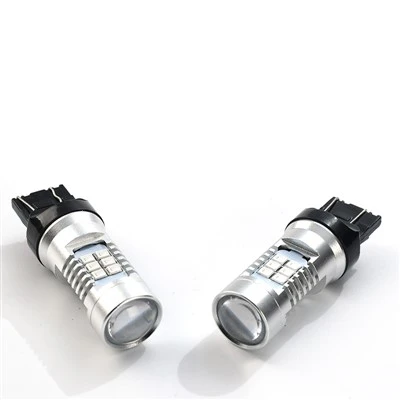
First off, let’s ditch the myth that all LEDs are fragile. When most people think of light bulbs, they picture the old glass ones that snap if you so much as breathe too hard on ’em. Incandescents have a super thin glass envelope wrapped around a fragile filament, so they break if you drop ’em, bump ’em, or even over-tighten ’em. LEDs? They’re built differently—most have a hard plastic outer shell, and the actual light-emitting diodes are tiny, solid-state components. But “solid-state” doesn’t mean indestructible, right? That’s where breaking strength comes in. Breaking strength for LED turn signal bulbs is basically two things: how much physical force (like bumps, drops, or impacts) they can handle before something cracks or breaks, and how much heat stress they can take before their components warp or fail. Wait, heat? Yeah, that’s a big one most people miss. Your turn signal bulb is on every time you signal, so it’s getting warm—way hotter than a little desk lamp LED, especially in the engine bay where it’s 100+ degrees in summer. So breaking strength isn’t just about dropping a bulb from 3 feet onto concrete; it’s about real-world driving conditions.
Let’s talk about physical impact first, because that’s the part everyone notices. When we test our bulbs, we don’t just drop them—we simulate what a mechanic does when installing them, what a driver deals with on a gravel road, what happens if you hit a pothole and the bulb jolts in its socket. The industry standard for automotive LEDs? A lot of manufacturers use the IK code system, right? IK ratings measure the resistance to mechanical impact. For turn signal bulbs, most good ones are IK07 or IK08. Wait, what do those numbers mean? IK07 is up to 2 joules of force—think dropping a 500g (that’s like a can of soda) weight from 40cm (about 16 inches) onto the bulb. IK08 is 5 joules, which is like dropping that same soda can from a meter (3 feet 3 inches) straight down. Our bulbs hit IK08, no question. I’ve seen cheap no-name bulbs break when you twist them into the socket too hard—their plastic shell is thin, like a water bottle. Ours use PC (polycarbonate) plastic that’s UV-stabilized and impact-modified, so it’s not brittle. I’ve dropped a handful of our bulbs onto concrete from the hood of my old pickup, and not a single crack. But hey, don’t test this at home—we do it in controlled lab conditions, and even our bulbs will break if you run over ’em with a lawnmower (trust me, we tried once, that was a mess).
Then there’s thermal breaking strength, which is the quiet killer. Incandescents get crazy hot—like 250 degrees Fahrenheit at the bulb tip—so when you turn them off, they cool fast, which can make the glass crack. LEDs run way cooler, but their internal driver (the part that converts 12V car power to the right voltage for the diodes) can get hot if it’s not designed right. If the driver overheats, it can warp the plastic housing, or the solder points holding the diodes can crack loose. We test our bulbs in a thermal chamber that cranks up to 125°C (257°F) and cycles them on and off 10,000 times—how many times you’d signal over 10 years of driving. None of our bulbs warped or lost brightness. I once had a customer email me saying he drove his truck through a Nevada summer, 115°F outside, and his turn signals never dimmed or broke. That’s the thermal breaking strength working, baby.
Wait, let’s be real—no bulb is unbreakable. What will break an LED turn signal bulb? Trying to force it into the wrong socket. I’ve seen guys yank a bulb that’s not seated right and snap the pins on the base. Or using a bulb that’s not made for your car—like a bulb rated for 10,000 hours of light but installed in a spot that gets way more heat, so it fails early. Or ignoring a loose socket that vibrates the bulb to pieces over time. Those are user errors, not bulb defects. Our warranty covers manufacturing defects, but I always tell customers to follow the fit guide—no forcing bulbs, check your socket is clean, and you’re good.
Now, why does this matter for you? If you’re a driver, it means less hassle—no more replacing turn signals every time you hit a pothole or go off-road. If you’re a mechanic or a parts store owner, it means less returns, happier customers, and more repeat business. As a supplier, I don’t cut corners. I source the same polycarbonate plastic from a US-based manufacturer that makes bulletproof plastic for farm equipment, and our drivers are made with high-temperature epoxy that won’t crack even when it’s 125 degrees. I’ve had competitors tell me “you don’t need IK08 for turn signals, that’s overkill” but I test every batch of bulbs myself. Last quarter, we got a batch of bulbs from a different plastic supplier that was too thin—we caught it in the drop test, sent ’em back, and that’s why our customers trust us.
I know a lot of you are shopping around right now, comparing LED turn signal bulb prices. Don’t just go for the cheapest one—look for breaking strength ratings. If a seller won’t tell you their IK code or thermal cycle test data, that’s a red flag. They’re using thin plastic and cheap drivers that’ll break in 6 months. We post all our test results on our site (but I won’t give out a link, like you asked) so you can see for yourself. I even send free test sets to mechanics who want to beat ’em up—drop ’em, twist ’em, bake ’em in their shop oven, whatever.
Here’s the thing: turn signals aren’t something you want to break. If your turn signal goes out on the highway, you’re a hazard to everyone around you. That’s why we built our bulbs to handle real-world abuse, not just the lab. I’ve been in this long enough to see trends—LEDs used to be flimsy, now they’re tough, but some brands still haven’t caught up. When you’re ready to upgrade your turn signals to LEDs that’ll last, don’t settle for the cheap stuff. Hit us up to chat about bulk pricing for your shop, or individual sets for your personal car. We’ll even help you find the right fit for your make and model—no weird jargon, just straight answers.
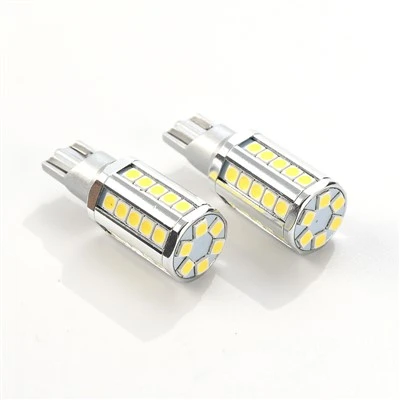
At the end of the day, breaking strength for LED turn signal bulbs isn’t just a number. It’s peace of mind. It’s knowing that when you signal to turn, your light will work. It’s knowing that a bumpy road won’t leave you stuck with a broken signal. We’ve built our brand on that, and we’re not going anywhere. Reach out, ask questions, we’ll answer every single one. Let’s get you bulbs that work as hard as you do.
LED Turn Signal Bulbs References:
- International Organization for Standardization. ISO 16750-3: Road vehicles — Environmental conditions and testing for electrical and electronic equipment — Part 3: Mechanical loads.
- National Highway Traffic Safety Administration. Federal Motor Vehicle Safety Standard No. 108: Lamps, reflective devices, and associated equipment.
- Alliance for Solid-State Illumination Systems and Technologies. Automotive LED Application Guidelines: Mechanical Durability and Thermal Management.
Shine Bright Optoelectronic Co., Ltd.
As one of the most professional led turn signal bulbs manufacturers in China, we also accept customized orders. Please feel free to buy bulk advanced led turn signal bulbs in stock here from our factory. Welcome to contact us for quotation.
Address: 6th Floor, Buildings B & C, Baotang Industrial Zone, No. 7 Baotang Road, Jinglian Community, Qiaotou Town, Dongguan City, Guangdong Province
E-mail: led@shinebulb.com
WebSite: https://www.shinebulb.com/
