Let me start with a question I get literally every single week: “Wait, a brochure and a catalog—are they basically the same thing?” Honestly, I used to mix them up too when I first got into this brochure and booklet supply game, back when I was just helping my old boss stuff these things into mailers out of a tiny garage. Now, three years later, I’ve talked to hundreds of small business owners, startup founders, and even big retail chains who still can’t tell the difference. And yeah, it matters—like, a lot. If you grab the wrong one for your marketing, you’re wasting time, money, and that spot someone’s eye stops at in a trade show or coffee shop. Brochure and Booklet
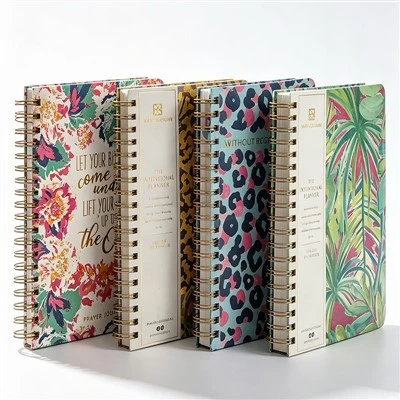
First, let’s break down what a brochure actually is, because that’s my bread and butter. A brochure is a single (or sometimes two folded) sheet, right? Wait, no—wait, folded is key here. The most common types are tri-folds, bi-folds, maybe a 4-panel gate fold, but it’s all one piece of paper folded over itself. The big thing: it’s short. It’s meant to deliver 1 to 3 core messages, no more. Let’s say you’re a local landscaping company—your brochure would be tri-fold: front is a nice photo of a backyard, inside left is your core service (lawn mowing), inside middle is hardscaping, inside right is seasonal cleanups, back is your contact info and a quick special offer. No long stories, no 50 product SKUs, just the stuff someone needs to know in 10 seconds flat. Brochures are portable, cheap to print in small batches (like 50 or 100, not 10,000), and perfect for handing out at pop-ups, trade shows, or leaving on reception desks. They’re personal, too—we do a lot of custom stuff for people, like matte finishes for yoga studios or glossy for food brands, because the goal is to feel approachable, not overwhelming.
Now, what about a catalog? That’s a whole different animal. A catalog is a bound (or sometimes saddle-stitched, like a magazine) book, right? It’s for when you have a lot to show. Think: a clothing brand with 200 different styles of jeans, a kitchen supply company with 500 products, a holiday gift guide with 300 items. Catalogs are deep—they have full product descriptions, specs, prices, maybe even customer reviews, and they’re organized by category so you can flip through and find what you want. They’re meant to be kept, not thrown away after one read. I once printed a catalog for a hiking gear company that was 48 pages long, and they mailed it to every outdoor enthusiast within a 2-hour drive. People would keep that on their coffee table for months, planning their next trip. Catalogs are more expensive than brochures, obviously, because they have more pages, more paper, and more printing work, but they’re built for when you need to show off a full line, not just a few highlights.
Wait, but hold on—there’s a gray area, right? Like, booklets? Oh, right, the thing I sell most besides brochures is booklets. People mix those up with catalogs too. A booklet is like a middle ground, sometimes. It’s bound (stapled, usually) and has 8 to 40 pages, but it’s not as thick as a catalog. A local bakery might do a seasonal menu booklet, with 12 pages of pastries, coffee drinks, catering options, and photos. Or a nonprofit might do a program booklet for a gala, with event details, donor bios, and the schedule. It’s shorter than a catalog, more focused than a brochure. So that’s another layer—some people call booklets mini-catalogs, some call them long brochures, but for our purposes, it’s a separate thing because of the page count and binding.
Let me give you a real example of a mix-up I had last month. A small boutique skincare owner came to me, super stressed, because she ordered 1,000 “brochures” from another print shop, but when they arrived, they were these thick, 36-page stapled things with every single product she sold, full ingredient lists, and sample sizes listed. She needed brochures to hand out at a beauty expo—something small, cheap, that would tell people about her brand’s core mission (natural, sustainable) and her top 5 products so they’d remember her. Instead, she had these big booklets that cost twice as much per unit as a brochure, and they were too bulky to stuff into her swag bags, too expensive to give out to every person who walked by the booth. She had to order 2,000 actual brochures from me at the last minute, and ended up losing like $1,500 on the first order. That’s the exact kind of mistake that happens when you don’t know the difference.
Another example: I work with a local construction company that uses brochures for their service areas. They have a tri-fold that talks about residential vs. commercial work, their warranty, and contact info—they give those to potential clients after their first meeting, so it’s a quick reference. But when they launched their new line of pre-built sheds, they ordered a 24-page catalog (well, booklet, actually—they called it a catalog, but it was stapled, not perfect-bound) with 15 different shed models, dimensions, pricing, customization options. That made sense, because they needed to show every option, not just a few highlights. If they’d tried to cram all that shed info into a tri-fold brochure, it would have been crowded, hard to read, and no one would have all the details they need to order.
Let’s break down the key differences, the stuff I always tell my clients so they don’t mess up: First, purpose. Brochures are for quick, targeted info—you want someone to get your main message in 10 seconds and reach for their phone to call you. Catalogs are for comprehensive info—you want someone to sit down, flip through, and make a purchase decision later. Second, format. Brochures are single folded sheets (1 to 4 panels, usually), no binding needed. Catalogs are bound (stapled, sewn, perfect-bound) with multiple pages. Third, content. Brochures: 1-3 core messages, 5-10 products max, short text, big photos. Catalogs: 50+ products, detailed descriptions, specs, pricing, organized by category. Fourth, quantity. Brochures are great for small to medium batches (50 to 5,000) because they’re cheap to print in smaller runs. Catalogs make more sense for larger batches (1,000+) because the per-page cost drops when you have more pages.
Wait, but I’ve also seen brands that mix them on purpose, right? Like, a college might have a tri-fold brochure for prospective students that highlights the top programs, campus life, and application deadlines, and then a full catalog of all their majors and course offerings. That works! The brochure is the hook, the catalog is the deep dive. That’s a smart way to use both, instead of treating them like the same thing.
Now, let’s talk about why this matters for you, especially if you’re a small business owner like a lot of my clients. Let’s say you’re a food truck that specializes in vegan tacos. You’re going to a local festival this weekend. Do you order brochures, catalogs, or booklets? Brochures, obviously. They’re small, cheap, you can hand out 500 for like $200, they fit in festival goers’ pockets, and they can have your taco menu, your Instagram handle, and a coupon for 10% off their next order. If you ordered a catalog, you’d spend $1,000 on 500 thick booklets, no one would carry them around all day, and they’d throw them away by the end of the day anyway. That’s a waste of money. But if you’re a taco truck that also sells taco sauces online, and you want to show all 20 flavors, ingredients, and ordering info, then a small catalog (or booklet) makes sense. You can send that to people who ask for more details, not hand them out at a festival.
I’ve been doing this long enough that I can tell when someone comes in knowing what they need, and when they’re just grabbing a guess. Last week, a guy ran in at 4:55 PM on a Friday (the worst time, by the way) saying he needed 200 brochures for a concert that night. He said the venue told him his flyers didn’t count, he needed “actual brochures” to put on tables. I told him, “You don’t need a brochure—you need a flyer, but wait, the venue probably means a single sheet folded so it doesn’t get crumpled.” So we did a quick tri-fold on glossy paper, printed 200, had them ready by 5:45, and he was happy. He didn’t need a 12-page catalog of the band’s discography, he needed a quick, folded sheet with the show time, ticket link, and band names. That’s the difference.
Another thing I always point out: brochures are flexible, too. You can do a bi-fold, tri-fold, even a z-fold for different uses. I did a z-fold for a dog groomer once—each panel was a different service: bath, nail trim, full groom, and the back was a coupon. That was perfect for them, because it’s like a little puzzle people unfold, keeps their attention longer. But even with all the different folds, it’s still a brochure—single sheet, no binding.
Wait, let’s make sure I’m not over-simplifying this. Are there exceptions? Yeah, of course. Some people call a 8-page stapled sheet a “brochure,” but most of the time, that’s a booklet. Some brands make super thick, perfect-bound tri-folds, but that’s rare. The core of it all is: is it meant to deliver a small, quick message, or a lot of detailed info? That’s the line I use with every client, and it works.
For my business, the whole point is to help people get the right product for their needs, not just sell them the most pages or the cheapest price. I hate when people come back mad because they wasted money on something that doesn’t fit. That’s why I take 10 minutes to ask questions before I quote anyone: what are you using this for? How many do you need? Where will you hand them out? That’s how I figure out if you need a brochure, a booklet, or a catalog.
If you’re still confused, that’s totally normal. I’ve worked with marketing managers at big companies who mix these up. The good news is, there’s no rule that says you can’t adapt, but knowing the basic difference will save you a ton of time and cash. Think of it this way: if you want someone to stop and look for 2 minutes, pick up something small, and remember your brand, go with a brochure. If you want them to keep something for a month, go through a bunch of products, and make a decision later, go with a catalog or booklet.
Now, if you’re reading this and you’re in need of custom brochures, booklets, or catalogs, hit me up. I don’t do fancy sales pitches, I just do quality printing, quick turnaround, and prices that won’t make you regret your marketing budget. Whether you need 50 tri-folds for a local event or a 50-page catalog for your retail line, I can hook you up. No hidden fees, no jargon, just straightforward service.
Brochure and Booklet References
- Print Consulting Resource. (2023). Print Media Fundamentals: Brochures, Catalogs, and Booklets. Print Industry Association.
- Small Business Marketing Hub. (2022). Choosing the Right Print Material for Your Marketing Goals. Small Business Administration.
- Graphic Design Tools. (2024). Format Breakdown: Folded vs. Bound Print Materials. Creative Media Collective.
Jiangyin Kingma Printing Co., Ltd.
As one of the most professional brochure and booklet manufacturers and suppliers in China, we also support customized service. Please feel free to wholesale bulk high quality brochure and booklet in stock here from our factory. Welcome to contact us for quotation.
Address: 803 Binjiang West Road, Jiangyin City, Jiangsu Province
E-mail: 275695527@qq.com
WebSite: https://www.kingmaprinting.com/
