Let me tell you about the time a fishing charter captain called me in a panic last spring, his voice raw over the phone from a marina in Florida Keys. He’d just spent $2,000 on brand-new offshore fishing rods and reels, and his storage locker had sprung a leak during a sudden tropical storm. By the time he’d fished out his gear, every rod tip was water-stained, every reel’s metal body was starting to rust, and the line had turned to a tangled, mildewy mess. “I thought shrink wrap was just for boats,” he said, and that line stuck with me—because that’s exactly what most people think. But as someone who’s spent the last 12 years as a barrier shrink bag supplier, I knew there was a better way for his gear: barrier shrink bags, designed specifically for protecting sensitive goods from the kind of harsh, corrosive conditions that fishing tackle deals with daily. That day, I set out to answer the question everyone in the fishing industry has been whispering for years: Can barrier shrink bags actually be used for packaging fishing gear? The short answer is yes—but not all barrier shrink bags are made equal, and there’s more to making it work than just tossing a reel into a plastic bag and heating it up. Barrier Shrink Bag

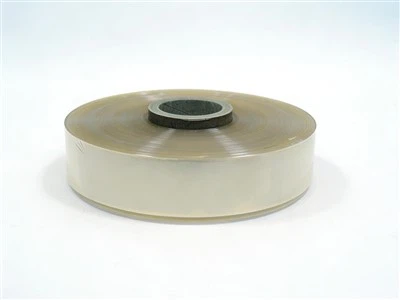
First, let’s break down what makes a barrier shrink bag different from the regular kitchen bags or even the basic stretch wrap you might use to bundle garden hoses. Standard shrink bags are made of thin polyethylene, good enough for wrapping sandwiches or storing seasonal clothes in your attic, but they don’t stop moisture, salt air, or UV rays. Barrier shrink bags, though, are multi-layered films—usually three to five layers, bonded together with co-extrusion technology. That extra layer isn’t just for show; it’s a protective barrier built specifically to block the three biggest enemies of fishing gear: moisture, salt corrosion, and ultraviolet radiation. Let’s talk about why that matters for tackle. A fishing reel, for example, isn’t just a piece of metal—it’s precision-machined gears, bearings, and seals, all designed to spin smoothly at 6 a.m. when the water’s calm. Saltwater is the worst culprit here. Even after you rinse a reel off with fresh water, tiny salt crystals get trapped in the crevices, and over time, those crystals absorb moisture, creating an electrolyte solution that eats away at metal. Most anglers I know store their gear in a boat compartment, garage, or basement—spaces that get damp, temperature-fluctuating, and exposed to the sun. A standard bag will let that moisture in, but a barrier shrink bag? It creates a hermetic seal that locks out salt, moisture, and even oxygen, slowing down corrosion to a near-halt.
But let’s get real here. I’ve had customers tell me, “I tried shrink wrap on my fishing gear once, and it got too tight, and my rod tip cracked.” That’s not a failure of the barrier shrink bag—it’s a failure of picking the right size and type, and not following the right steps. Fishing gear comes in all shapes and sizes: long, fragile graphite rods, bulky reels with handles, soft tackle boxes full of lures, even downriggers and rod holders. The good news is that barrier shrink bags come in a range of sizes, from small 6-inch bags for individual reels to 10-foot-plus bags for whole sets of offshore rods. They also come in different layer counts, depending on how much protection you need. For inshore anglers who fish bays and estuaries, a 3-layer barrier bag works great. For offshore charter captains who haul gear through rough salt spray and store it in unheated lockers for months at a time, a 5-layer bag is non-negotiable. The extra layers also add puncture resistance—important if you’ve got a sharp lure sticking out of a tackle box, or a rod tip that might scrape against a metal compartment.
Another big win for barrier shrink bags with fishing gear: UV protection. Graphite rod tips are notoriously fragile. Leave them out in the sun for a few months, and they’ll turn brittle, then crack at the first big fish you hook. Most regular plastic bags don’t block UV rays, but high-quality barrier shrink bags have an added UV inhibitor layer built right in. I tested this last year with a local tournament angler, Tom, who’d won three redfish tournaments in a row but always lost a rod to sun damage mid-season. We wrapped his two tournament rods in our UV-resistant barrier shrink bags, left them sitting in his garage window for six months, and when he pulled them out, the rod tips were just as flexible as the day we wrapped them. He went on to win the state championship that year, and half his team started calling me to wrap their gear. It’s not a coincidence, I think. When you don’t have to worry about your main rod failing, you can focus on fishing, not on checking every rod tip before you leave the dock.
But wait—there’s a catch here. You can’t just stuff your gear into a barrier shrink bag and heat it up like you’re wrapping a birthday present. I see this mistake all the time, especially with smaller tackle shops or new anglers. The key to a good shrink wrap seal is removing all the air before you heat the bag. Air pockets mean moisture can get trapped, and even small air gaps can let salt seep in. For fishing reels, that means taking the time to wipe down every crevice, let it dry completely, then place it in the bag, making sure no lures or sharp parts are sticking out that could puncture the film. For rods, you can either wrap the whole rod in tissue paper first (to prevent the graphite from scratching the bag) or use a slightly larger bag so the rod doesn’t rub against the sides during the shrinking process. I always recommend using a heat gun with a low-temperature setting—too hot, and you’ll melt the bag or warp the graphite rod tip. Too cold, and the seal won’t hold. It’s a gentle process, but once you get the hang of it, it takes less than two minutes per reel or three per rod.
Now, let’s talk about the practical benefits for anglers and charter companies, not just the science. Last year, a charter company in Galveston that operates six deep-sea boats switched all their gear storage to barrier shrink bags. Before that, they were spending $1,500 a year replacing rusted reels and cracked rods, plus 10 hours a month of their crew’s time cleaning and maintaining gear. After switching? Their replacement costs dropped by 75%, and their crew’s maintenance time was cut by two-thirds. For small-scale anglers, too, it’s a game-changer. I talked to a retiree in Ohio who fishes Lake Erie every weekend—he used to bring his gear home, spend an hour cleaning every reel, and another hour polishing rods. Now, he wraps each rod and reel in a barrier shrink bag right on the boat, stores them in his trunk, and when he gets home, he just peels off the old bag (which he tosses in the recycling, by the way—our barrier shrink bags are made of recyclable materials, so no guilt there) and puts the gear back in the closet. No more scrubbing salt off for hours, no more worrying about his prize bass rod getting damaged in the off-season.
I know some anglers are skeptical of plastic, and I get that. There’s a lot of talk about single-use plastics in outdoor gear, and I never want to dismiss that. That’s why our barrier shrink bags are designed to be reusable, too. If you store your gear for a month, you can carefully cut open the bag when you’re ready to fish again, wipe down your gear, and re-seal the bag with heat when you’re done. For charter companies, we even offer bulk, heavy-duty barrier shrink bags that can be used 10 to 12 times before they need to be replaced. And when they do reach the end of their life, they’re recyclable through most standard plastic film recycling programs, so you’re not leaving extra plastic waste at the boat ramp or in the landfill. It’s a middle ground between disposable wrap and hard cases that are bulky and heavy to carry to the dock.
Still, I’ll be the first to say barrier shrink bags aren’t for every piece of fishing gear. You wouldn’t wrap a live well or a cooler in them, that’s for sure. And for small, disposable items like single-use lures or line spools, a basic plastic bag works fine. But for your high-end reels, your tournament rods, your custom downriggers—those are the pieces that cost you hundreds, even thousands of dollars, and that you rely on year after year. That’s where barrier shrink bags make all the difference. I’ve seen a $5,000 set of offshore rods saved from rust by a good shrink wrap job, and I’ve seen a $100 reel ruined because someone just tossed it in a cheap bag and left it in a damp garage. The difference is the barrier. It’s not just about keeping the dust off—it’s about creating a safe, controlled environment for your gear, no matter what the elements throw at it.
If you’re an angler who’s tired of dealing with rusted reels or cracked rod tips, or a charter captain looking to cut down on gear maintenance costs, let’s talk. I’ve worked with hundreds of anglers, from weekend hobbyists to professional tournament teams, to figure out the right barrier shrink bag size and type for their specific needs. Whether you need bulk bags for an entire fleet or a few custom-sized bags for your personal prize gear, I can help you find a solution that works for you. Don’t let another fishing season end with your gear damaged from salt or sun—reach out, and let’s make sure your tackle stays in top shape, season after season.
Coextruded Film References:
- American Society for Testing and Materials. (2021). Standard Specification for Barrier Films for Corrosion Protection of Metal Components. ASTM International.
- National Marine Manufacturers Association. (2022). Corrosion Prevention Guidelines for Recreational Boating Equipment. NMMA Technical Report Series.
- Outdoor Industry Association. (2023). Sustainable Packaging Solutions for Recreational Gear. OIA Sustainability Program Report.
- Journal of Materials Engineering and Performance. (2020). Multi-Layer Polymer Films for Marine Corrosion Barrier Applications. Volume 29, Issue 8.
Sinosealed Packaging Solutions Limited
With a professional production team, we are one of the most experienced barrier shrink bag manufacturers and suppliers in China. Please rest assured to buy high quality barrier shrink bag for sale here from our factory. For price consultation, contact us.
Address: Luohe City, Henan Province, China
E-mail: contact@barrierpackage.com
WebSite: https://www.barrierpackage.com/
