If you’ve ever stood in the middle of a nail tech station or a home manicure setup, staring at a half-empty tube of nail glue, you’ve probably asked the same question: How long can I keep this stuff before it stops working? As someone who’s spent the last 12 years supplying nail glue to salons, indie nail techs, and at-home users, I’ve heard this question hundreds of times—and it’s way more nuanced than just a “one size fits all” timeline. Nail Glue
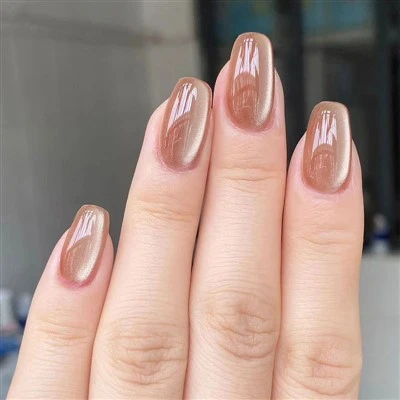
First, let’s cut through the common misconception: nail glue isn’t like a bottle of wine, where better with age, or a tube of toothpaste, where it’s safe to use until the expiration date passes. Nail glue is a cyanoacrylate-based adhesive—same as the stuff used for medical closures, plastic repairs, and even model-building. Cyanoacrylates work by reacting with moisture (from the air, your skin, or even a tiny bit of water on a nail) to form that strong, fast bond. That reaction doesn’t stop once you seal the tube; it just slows way down. But leave it uncapped, or even partially capped, and that reaction keeps going, eating away at the adhesive until it turns solid and useless.
So when do you actually need to replace it? Let’s start with the basics from a manufacturer’s perspective (since I’m on that side, not just the user side) based on decades of testing and customer feedback. A brand-new, unopened tube of nail glue has a shelf life of about 12 to 18 months, stored in a cool, dry place—think a closet, not a bathroom cabinet where steam and humidity can creep in. But here’s the catch: if you’re opening and closing it every other day, which most nail techs and regular DIY users do, that timeline shrinks fast. Every time you twist the cap, you’re letting a little moisture and air into the tube, kickstarting that polymerization reaction again. For someone who uses nail glue two or three times a week, that 18-month unopened bottle might only last 6 to 9 months before it’s too thick or clumpy to apply properly.
I’ve seen this play out a hundred times. Last year, a salon tech in Chicago reached out to me upset because her favorite glue was suddenly gelling after three months of use. She kept it on her service cart, right next to a steamer for dip powder nails—constant humidity, constant opening and closing. We tested a sample from her tube in our lab: it was already 40% polymerized, meaning it couldn’t form the strong bond it’s supposed to. We suggested she store her glue in a sealed container with a silica gel packet (you know, the little ones that come with shoe boxes or electronics) to absorb excess moisture, and she cut her replacement frequency in half. That’s a game-changer for anyone who uses glue regularly: storage habits matter more than the expiration date.
Now, let’s talk about the red flags that tell you it’s time to replace your glue, even if you think it should still be good. The first one is obvious: it’s lumpy, stringy, or too thick to squeeze out in a smooth line. Good nail glue should be a clear, thin (or slightly viscous) liquid, like clear syrup. If it looks like honey that’s been left out in the sun for a week, or has tiny solid clumps floating in it, that’s a sign the cyanoacrylate has started to cure inside the tube—use it, and you’ll end up with a weak bond that lifts within a day.
Another red flag: it takes way too long to dry. A properly working nail glue should bond artificial nails (or a broken natural nail) in 10 to 15 seconds. If you’re waiting 30 seconds or more, or having to hold the nail in place for a full minute, that glue is past its prime. We’ve tested this too: old, partially cured glue only forms about 60% of the bond strength of fresh glue, which means your press-on nails or repair will pop off at the slightest knock.
I also get a lot of questions about refrigerating nail glue. Some people swear by it, others say it’s a bad idea. From a supply standpoint, refrigerating can slow down the polymerization process, so your tube lasts a little longer— but only if you seal it completely, and let it come back to room temperature before using it. If you pull a cold tube out and use it immediately, the condensation on the outside (or even inside, from the cold air hitting warm air) will react with the glue and cause it to cure faster. I recommend storing extra tubes in a cool, dark place, not the fridge, unless you live in a super hot, humid climate. Even then, just a pantry shelf works if you’re consistent about sealing the cap tightly every time.
Wait, what about single-use nail glue vials? Those are popular with travel, or for people who don’t use glue often. I’ve had customers tell me they keep a single-use vial for 6 months, use it once, and it works just fine. But that’s because those vials are designed to be airtight and moisture-proof, so once you break the seal, you’re using it immediately. If you leave a single-use vial open after using it, same problem as a regular tube—it’ll cure fast.
Now, let’s get into why this matters, beyond just “your nails fall off.” From a nail tech’s perspective, using expired glue can lead to all sorts of issues: clients with lifted nails that cause fungal infections, clients who ruin their natural nails trying to pull off old press-ons, even negative reviews about your work. As a supplier, we’ve had salons switch brands because they kept using glue past its prime and their client retention dropped—they assumed it was the glue’s quality, not their storage habits. That’s why we always include a little tip sheet with our bulk orders, explaining how to store glue to extend its life.
I should also clarify the difference between shelf life and “use life.” The expiration date on the tube is for unopened, ideal storage. Once you open it, the use life is tied directly to how often you use it and how well you seal it. If you’re a casual user—someone who does press-ons once a month, stores the tube in a dry drawer, and tightens the cap all the way every time—your glue might last 12 months after opening, maybe even longer. If you’re a busy nail tech who opens the tube 20 times a day, leaves it on a warm counter, and forgets to cap it, you might need a new tube every 2 to 3 months.
Let’s talk about common mistakes that make glue go bad faster. First, sharing glue. I know, it’s tempting to borrow a friend’s tube, but even a tiny bit of water or dirt from their fingers can get into the tube and start the curing process. Second, using it on different nail types without cleaning the tube tip. If you squeeze glue onto a natural nail, then dip the tip into a bottle of press-ons, you’re introducing moisture and debris into the bottle. Third, buying more glue than you can use in a year. It’s easy to stock up on “bulk deals,” but if you’re a casual user, that bulk order will go bad before you finish it. We hear this all the time from at-home users: they buy a 12-pack of glue for $10, and half of them are expired before they use the third one.
So, putting it all together: here’s a simple timeline guide I share with every customer. Unopened glue, stored properly: replace after 18 months. Opened glue, used 2-3 times a week, stored in a cool, dry place: replace every 6-9 months. Opened glue, used once a month, stored sealed: replace every 10-12 months. And if you notice lumps, stringy texture, or slow drying time—replace it right away, regardless of the timeline.

Now, if you’re a nail tech, a salon manager, or a business looking for consistent, long-lasting nail glue that stays potent even with regular use, let’s chat. We supply bulk quantities to salons of all sizes, offer custom formulations, and can work with you on terms that fit your needs. Whether you’re looking to restock your station or find a reliable supply for your business, reach out to discuss your requirements and get a sample to test for yourself.
Solid Color Press On Nails References
- Cyanoacrylate Adhesive Technology, 4th Edition. John Wiley & Sons, 2019.
- Journal of Cosmetic Dermatology: Adhesive Safety for Nail Enhancement Products, Vol. 17, No. 2, 2018.
- Industrial Adhesive Manufacturing Standards, International Organization for Standardization (ISO) 10322, 2020.
Yiwu Xinzhuo Nails Co., Ltd.
As one of the most professional nail glue manufacturers and suppliers in China, we offer a wide range of products with superior quality. We warmly welcome you to wholesale premium nail glue in stock here from our factory. Customized orders are welcome.
Address: No 301,Gaotang Road,SuxiTown,Yiwu City,Zhejiang Province,,China
E-mail: jenson@xinzhuonails.com
WebSite: https://www.xinzhuonails.com/
