Can a 125mm Angle Grinder be used for cutting plastic? 125mm Angle Grinder
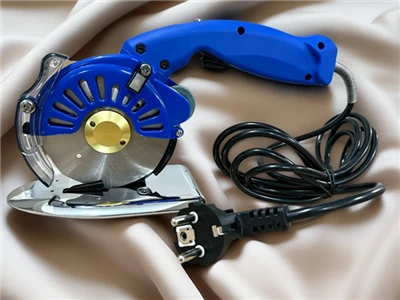
As a supplier of 125mm angle grinders, I often get asked a wide variety of questions from customers. One question that comes up quite frequently is whether a 125mm angle grinder can be used for cutting plastic. In this blog post, I’ll delve into the details of this topic, exploring the feasibility, considerations, and best practices when using a 125mm angle grinder for cutting plastic.
Understanding the 125mm Angle Grinder
First, let’s have a brief understanding of what a 125mm angle grinder is. A 125mm angle grinder is a versatile power tool commonly used in various industries and DIY projects. The "125mm" refers to the diameter of the grinding or cutting disc the grinder is designed to accommodate. It typically operates at high speeds, with the motor providing the necessary power to rotate the disc. This high – speed rotation allows the grinder to perform tasks such as grinding, cutting, and polishing on different materials.
Feasibility of Cutting Plastic with a 125mm Angle Grinder
The short answer is yes, a 125mm angle grinder can be used to cut plastic. The high – speed rotation of the cutting disc can generate enough force to slice through many types of plastic. However, it’s not as simple as just using the grinder on any plastic. Different plastics have different properties, such as hardness, melting point, and brittleness, which significantly affect the cutting process.
Thermoplastics
Thermoplastics are a type of plastic that becomes soft when heated and hardens when cooled. Common thermoplastics include polyethylene, polypropylene, and PVC. A 125mm angle grinder can cut thermoplastics, but one of the main challenges is the melting of the plastic. Due to the high – speed friction between the cutting disc and the plastic, heat is generated. If the heat exceeds the melting point of the thermoplastic, it may start to melt and stick to the cutting disc, clogging it and making the cutting process less efficient. For example, when cutting polyethylene with an angle grinder, the plastic may quickly melt and form a gummy residue on the disc.
Thermosetting Plastics
Thermosetting plastics, on the other hand, have a different structure. Once they are formed and cured, they cannot be softened by heating. Examples of thermosetting plastics are epoxy and phenolic resins. These plastics are generally harder and more brittle than thermoplastics. When using a 125mm angle grinder to cut them, the high – speed rotary action of the disc can cause the plastic to crack or shatter if too much pressure is applied.
Considerations When Cutting Plastic with a 125mm Angle Grinder
If you decide to use a 125mm angle grinder to cut plastic, there are several important considerations to keep in mind.
Safety First
Safety should always be your top priority. When using an angle grinder, wear appropriate safety gear, including safety glasses, a dust mask, and gloves. The high – speed rotation of the disc can cause plastic chips to fly off, which can be dangerous if they enter your eyes or respiratory system. Also, ensure that the grinder is properly grounded to prevent electrical shock.
Selecting the Right Disc
Not all cutting discs are suitable for cutting plastic. A diamond or abrasive disc designed for metal or masonry may not work well on plastic. Instead, look for a disc specifically designed for cutting plastic. These discs usually have a different tooth profile and abrasive material that can cut through plastic more efficiently without causing excessive melting or damage. Some discs may have a special coating to reduce friction and prevent the plastic from sticking.
Speed Control
Most 125mm angle grinders operate at high speeds, but for cutting plastic, it may be necessary to adjust the speed. Higher speeds generate more heat, which is a major concern when cutting plastic. Many modern angle grinders come with variable speed control. By reducing the speed, you can minimize the heat generated during the cutting process and achieve a cleaner cut.
Workpiece Support
Properly supporting the plastic workpiece is crucial. Use a stable workbench or vice to hold the plastic firmly in place. This helps prevent the plastic from moving or vibrating during the cutting process, which can lead to uneven cuts, cracking, or even injury. If the plastic is too small or thin, you may need to use additional fixtures to ensure stability.
Best Practices for Cutting Plastic with a 125mm Angle Grinder
To achieve the best results when cutting plastic with a 125mm angle grinder, follow these best practices.
Make Test Cuts
Before making a full cut on your plastic workpiece, it’s a good idea to make a test cut on a scrap piece of the same plastic. This allows you to determine the appropriate speed, disc pressure, and cutting technique. You can also assess whether the selected disc is suitable for the plastic and make any necessary adjustments.
Use Lubrication
In some cases, using a lubricant can help reduce friction and heat generation. For example, a light application of soapy water or a special plastic – cutting lubricant can make the cutting process smoother and prevent the plastic from melting or sticking to the disc. Apply the lubricant to the cutting area on the plastic before starting the grinder.
Keep the Disc Clean
During the cutting process, the disc may accumulate plastic debris. Stop the grinder periodically and clean the disc to remove any stuck plastic. You can use a wire brush or a cleaning solution designed for this purpose. A clean disc will continue to cut effectively and reduce the risk of overheating.
Advantages of Using a 125mm Angle Grinder for Cutting Plastic
Despite the challenges, there are some advantages to using a 125mm angle grinder for cutting plastic.
High Efficiency
The high – speed rotation of the 125mm angle grinder allows for relatively quick cutting of plastic, especially when compared to some manual cutting tools. This can save time in large – scale projects or when you need to cut multiple pieces of plastic.
Versatility
A 125mm angle grinder can be used for other tasks besides cutting plastic, such as grinding and polishing metal or stone. This multi – functionality makes it a valuable tool in a workshop or for DIY enthusiasts.
Conclusion
In conclusion, a 125mm angle grinder can be used for cutting plastic, but it comes with its own set of challenges and considerations. By understanding the properties of different plastics, selecting the right disc, controlling the speed, and following best practices, you can achieve satisfactory results when using a 125mm angle grinder to cut plastic.
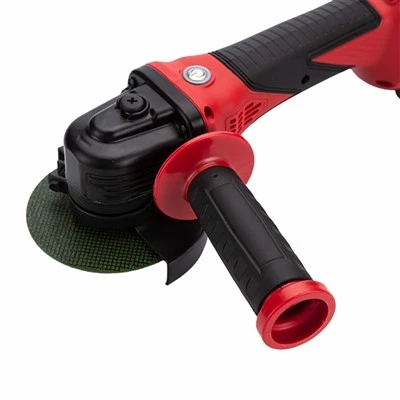
If you’re in the market for a high – quality 125mm angle grinder or need more advice on using these tools for cutting plastic and other materials, please don’t hesitate to contact us. We’re committed to providing you with the best products and expert guidance to meet your needs.
Cordless Angle Grinder References:
- Woodford, Chris. "How Do Different Types of Plastic Work?" Explaining Everyday Science.
- Manufacturer’s manuals for 125mm angle grinders.
- Plastic industry research reports on plastic properties.
Zhejiang Cheering Sewing Machine Co., Ltd.
With abundant experience, we are one of the most professional 125mm angle grinder manufacturers and suppliers in China. Please feel free to wholesale advanced 125mm angle grinder for sale here from our factory. We also accept customized orders.
Address: No.69 Heping Road, Lishui, Zhejiang, China
E-mail: gxjlq@126.com
WebSite: https://www.cheering-machinery.com/
