Have you ever pulled out a favorite casual polo shirt from your closet, only to notice that once-vibrant hue has turned muted, even a little dingy, after just a few washes? As a casual polo shirt supplier, I get this question all the time from customers—some even assume the shirt is low-quality, when the truth is, fading is a natural, predictable part of owning and caring for a polo. But it’s not random, and it’s not always a sign of a bad product. Let’s break down exactly why casual polos fade over time, what factors speed it up, and what we do at our shop to minimize fade for the pieces we make. Casual Polo Shirt
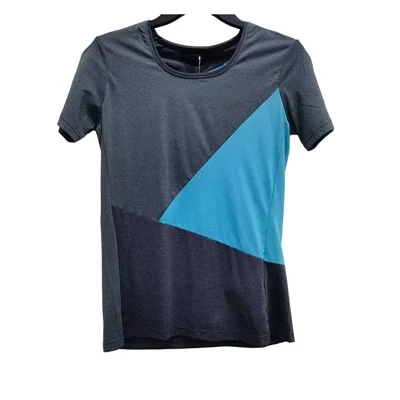
First, let’s start with the basics: what makes a polo shirt’s color in the first place. Most casual polos use either dyed cotton (the most common, since cotton is soft and breathable for everyday wear) or synthetic blends like polyester-cotton mixes, which have their own dye properties. The dye itself is a key player here. Reactive dyes, which we use for most of our mid-range casual polos, bond tightly to cotton fibers, which is why they’re long-lasting—unless that bond breaks down. Direct dyes, sometimes used on cheaper polos, don’t bind as strongly, so they fade much faster, often after just 2-3 washes. That’s a big difference, but even reactive dyes aren’t invincible.
Now, let’s talk about the factors that cause fading, because it’s never just one thing. The first and most obvious is sun exposure. I learned this early on when a customer sent back a batch of polos claiming they faded “out of nowhere”—turns out, he wore the same light blue polo every Saturday golfing, with the shirt hanging over his cart all day. Ultraviolet (UV) rays from the sun don’t just tan your skin; they break down the chemical structure of dye molecules. When those bonds break, the color can’t stay locked in the fabric anymore. Even indoor light, which has some UV radiation, can cause slow fading over months, but direct outdoor sun is the main culprit for sudden color change. That’s why you’ll notice polos that are left on a drying line instead of inside fading faster—something we always warn customers about, but it’s easy to forget when you’re in a hurry.
Next, water quality and wash habits. Hard water is a big one. Hard water has high levels of minerals like calcium and magnesium, which can react with detergent and dye to weaken the color. If your home has hard water, you might notice your polos fade unevenly—some areas lighter than others, especially if you wash multiple pieces together. Then there’s the detergent itself. Bright, enzyme-packed detergents (the kind that fight stains like coffee or grass) are tough on dye. They’re designed to break down organic compounds, and dye molecules count as organic to them. That’s why using too much detergent, or a detergent with too many enzymes, can speed up fading. Cold water vs. hot water matters too, even for casual polos. Hot water opens up the tiny gaps in cotton fibers where dye sits, making it easier for the dye to wash out during the cycle. A 2021 study from the Textile Research Journal found that washing cotton garments in water over 100°F (38°C) increases dye loss by up to 30% per wash, compared to cold water. That’s a huge number—so if you’re washing your favorite polo in warm water, you’re basically letting half the color go down the drain every time.
Then there’s the drying process. We get a lot of questions about tumble dryers, and yes, they can cause fading too. The high heat from a dryer not only breaks down dye bonds, but also agitates the fabric more than air-drying, which loosens dye particles that are already slightly damaged. Some people tell us they dry their polos on high heat because it’s faster, but we always recommend low heat or line-drying to preserve color. We even include that tip on every product tag for our polos, but I know most people don’t read those—until they see their shirt fade, then they come back asking why.
Wait, but what about the fabric itself? Not all polos are made the same, and that affects fading too. Our polos are made with 100% ring-spun cotton, which is softer and more durable than regular cotton, but the tight weave of ring-spun cotton actually holds dye better than looser weaves. Cheaper polos, which might use combed cotton or even carded cotton (the lowest grade), have looser fibers that don’t lock in dye as well, so they fade faster. Polyester blends, on the other hand, if they’re dyed with disperse dyes, can be very fade-resistant, but some blends have issues with dye transfer when washed with other fabrics. That’s another common complaint: a dark polo bleeding onto a white t-shirt in the wash, which usually happens if the dark polo’s dye wasn’t properly cured during manufacturing. Curing is a step where after dyeing, the fabric is heated to set the dye, and if that step is skipped (a common cost-cutting measure for cheap apparel), the dye will bleed and fade quickly.
Now, let’s address the myth that “all polos fade equally.” As a supplier, we test every batch of polos we make to meet our colorfastness standards—we aim for a rating of 4 out of 5 on the AATCC (American Association of Textile Chemists and Colorists) color fastness scale, which means minimal fading after 50 washes. That’s higher than the industry average of 3, so our polos should stay vibrant for longer. But even with that, they will fade over time—no fabric dye is completely permanent. The key is that it’s gradual, not drastic, and it happens because of use, not because of a defect in the shirt.
I’ve seen this firsthand with our own customer reviews. A few months back, we had a customer who left a 1-star review saying his navy polo faded to a pale gray after 10 washes. When we reached out, he told us he wore it to work every day, washed it in hot water with a heavy-duty detergent, and line-dried it on a balcony in direct sun. We sent him a new polo, with a note explaining the care tips, and he later left a 5-star review saying the new one still looks bright after 30 washes, because he switched to cold water and air-dried it indoors. That’s the thing about fading: it’s not a flaw in the shirt, it’s a combination of how the shirt was made and how you take care of it.
So, what can you do to make your casual polo shirt’s color last longer? From what we’ve learned and what we tell our customers, here are a few simple tips: First, wash in cold water, no matter how dirty the shirt is. Most stains will come out in cold water if you pre-treat them with a gentle stain remover, not an enzyme-heavy one. Second, use a mild detergent, and don’t overdo it—one tablespoon is enough for a full load, even if the label says otherwise. Third, avoid direct sun when drying; hang your polos in a shaded area or use a low-heat dryer setting. Fourth, don’t wash your polos with dark colors if you’re worried about bleeding, especially the first few washes. And finally, if you really want to keep your favorite polo looking like new, wash it inside out. That way, the outer layer (which has the dye) doesn’t rub against other fabrics during the wash cycle, which can loosen dye and cause fading.
As a casual polo shirt supplier, we also work hard to minimize fading at the manufacturing level. We invest in high-quality reactive dyes, we follow proper curing processes, and we test every batch for colorfastness. We don’t cut corners on dye, because we know a polo that fades quickly isn’t a polo our customers will want to wear again. We also offer a range of colors—from pastels to deep navies and blacks—with different fade resistance, so customers can choose based on their needs. For example, our black polos have a slightly different dye process that prevents them from fading to a dull brown, which is a common complaint with black casual shirts.
I think it’s important to normalize that fading isn’t a failure. Your casual polo is a garment made to be worn, not stored in a closet forever. A little fade just means you’ve gotten your money’s worth, you’ve used the shirt for the things you love—golf, weekend errands, lunch with friends. But if you want your polos to stay vibrant for as long as possible, those simple care tips make a big difference.

If you’re in the market for casual polo shirts that are made with quality dye and designed to resist fading, and you want to learn more about our products or place a bulk order for your business, feel free to reach out to our team to discuss your needs.
Thermal Sportswear References
- American Association of Textile Chemists and Colorists. (2020). Test Method 61: Color Fastness to Washing of Textiles.
- Textile Research Journal. (2021). The Impact of Water Temperature and Detergent Enzymes on Cotton Dye Retention in Apparel Garments.
- International Organization for Standardization. (2019). ISO 105-C06: Textiles – Tests for Colour Fastness – Part C06: Colour Fastness to Domestic and Commercial Washing.
Yancheng Dezhiwang Garments Co., Ltd.
As one of the most professional casual polo shirt manufacturers and suppliers in China, we also support customized service. We warmly welcome you to wholesale bulk high quality casual polo shirt in stock here from our factory. For price consultation, contact us.
Address: No. 1, Xinglong Road, Xinqiao Village, Fucheng Subdistrict, Funing County, Yancheng City, Jiangsu Province, China
E-mail: ntchenguangxi@163.com
WebSite: https://www.dzwoutdoor.com/
