If you’ve ever stood next to an industrial refinery, a power plant, or a large-scale processing facility on a hot summer day, you’ve probably felt the faint, steady hum of air cooled heat exchangers (ACHEs) working to pull excess heat out of process fluids. For these systems to run reliably, the tubes that carry hot fluids through the exchanger—exposed directly to moving ambient air—are non-negotiable. As a supplier specializing in ACHE components, I’ve spent the better part of a decade working with plant engineers, maintenance teams, and procurement managers to pick the right tube materials for every job, and I’ve seen firsthand how a bad material choice can turn a routine maintenance cycle into a costly shutdown. Air Cooled Heat Exchanger
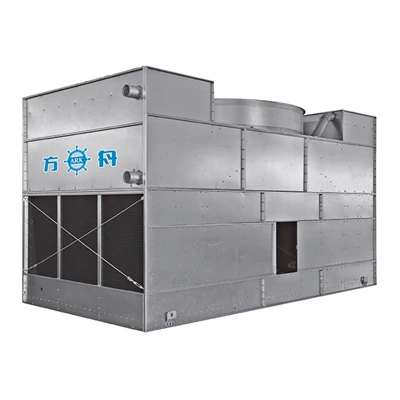
Let’s break down the most common materials we rely on, why they work for specific applications, and the tradeoffs that matter most when you’re sizing, sourcing, or servicing ACHEs. First, it’s important to remember that ACHE tubes aren’t one-size-fits-all. The conditions inside the tube matter just as much as the conditions outside: process fluids can range from low-pressure light hydrocarbons to high-temperature, corrosive acids or alkaline solutions, and ambient environments can run the gamut from salt-laden coastal air to dusty desert heat. Every material is built to handle a specific slice of that spectrum.
Starting with the workhorse of the industry: carbon steel. This is the material we turn to for 70% of standard, non-corrosive applications, and for good reason. Carbon steel (specifically seamless carbon steel, which is the standard for ACHE tubes) is affordable, easy to fabricate, and strong enough to withstand the moderate pressures and temperatures most common in refineries and petrochemical plants. The tubes are manufactured via a piercing process that eliminates seams, making them resistant to leakage under repeated thermal cycling—an enormous win, since ACHEs expand and contract with every start-stop, especially in facilities that run 24/7. That said, carbon steel has a clear limit: it’s not ideal for corrosive environments. If your process fluid has even mild sulfur compounds, or if your ambient air has high humidity (which accelerates external corrosion), carbon steel will degrade faster than you want. I’ve seen many a plant switch to a different tube material when their offshore ACHEs started pitting after two years of service, just because they tried to stretch carbon steel beyond its design.
Next up: aluminum and aluminum alloys. When weight is a top priority, aluminum is hard to beat. Pure aluminum, or alloys like 6061 and 3003, have excellent thermal conductivity—about 50% higher than carbon steel, which means they transfer heat far more efficiently. That makes them perfect for air-cooled units in applications like natural gas processing, where lightweight tubing reduces structural load on the exchanger’s frame, or for HVAC systems where compact, efficient heat transfer is key. Aluminum also resists external corrosion well in most ambient conditions, forming a thin, self-healing oxide layer that protects the surface from rust and pitting. The catch here is temperature: aluminum loses strength rapidly above 400°F, and it can’t handle high-pressure process fluids. I’ve yet to recommend aluminum for a crude oil cooler running at more than 350°F; the tubes would become too soft to withstand the internal pressure, leading to bulging or rupture. Also, aluminum is prone to galvanic corrosion if paired with dissimilar metals like carbon steel, so any fasteners or fin material in the system has to be matched carefully.
For applications where corrosion is a non-negotiable factor, copper alloys (specifically copper-nickel, or Cu-Ni) are the go-to. Copper-nickel alloys, most commonly 90/10 Cu-Ni and 70/30 Cu-Ni, are designed to resist both internal corrosion from process fluids and external corrosion from saltwater, sulfides, and acidic atmospheres. That’s why you’ll see them in coastal refineries, offshore platforms, and desalination plants where ambient air is heavily saline. Their thermal conductivity is also higher than carbon steel, so you get good heat transfer without sacrificing durability. The downside? Cost. Copper alloys are 3 to 5 times more expensive than carbon steel, and they’re heavier, so they add load to the exchanger’s structure. I always run the numbers with clients before recommending Cu-Ni: if a plant is located far from a coast and handles mostly non-corrosive fluids, the extra cost just isn’t worth the long-term benefit. But for facilities dealing with salt air or mild internal corrosion, Cu-Ni will often outlast carbon steel by a decade or more, cutting down on unplanned maintenance.
Then there’s stainless steel, a broad category that covers everything from basic 304 stainless to high-alloy 316L, and even specialized alloys like duplex stainless steel and Hastelloy. Stainless steel is the heavy hitter for extreme conditions. 304 and 316L are standard for mild corrosive environments, like ACHEs handling food-grade fluids or low-concentration acids, but when you’re dealing with high-temperature, highly corrosive fluids—think sulfuric acid in a chemical plant, or brine in a wastewater treatment facility—you need something stronger. Duplex stainless steel, which combines austenitic and ferritic structures, has double the strength of standard stainless steel and excellent resistance to stress corrosion cracking, making it perfect for high-pressure, corrosive services. Hastelloy, a nickel-chromium-molybdenum alloy, is even more resistant, though it’s so expensive that we only use it for niche, extreme applications where no other material will work. The tradeoff here is cost, of course, and weight; stainless steel is heavier than carbon steel, and its thermal conductivity is lower, so you may need slightly larger tubes to get the same heat transfer as carbon steel. But when corrosion would turn a carbon steel tube into a pinhole leak within a year, stainless steel is worth every penny.
I’d be remiss if I didn’t mention fin materials, even though the question focuses on tubes—because the tube-fin pair has a huge impact on ACHE performance. Most ACHE tubes use an external fin to increase surface area, which boosts heat transfer. For carbon steel tubes, we use carbon steel fins, welded or bonded to the tube surface. For copper or aluminum tubes, we match the fin material to avoid galvanic corrosion. For stainless steel tubes, stainless steel fins are standard. It’s a small detail, but a bad fin-tube bond can reduce heat transfer by 20% or more over time, so getting that right is just as important as the tube material itself.
Now, let’s talk about how we test these materials before they even reach a client’s site. As a supplier, we don’t just source tubes from the lowest bidder. Every batch of tube steel goes through non-destructive testing: hydrostatic testing to check for leaks, ultrasonic testing to detect internal defects, and corrosion resistance testing to make sure it holds up to the client’s specific fluid and ambient conditions. For example, if a client tells us their ACHE is in a desert environment with high dust and frequent temperature swings, we’ll specify a carbon steel tube with a proprietary coating to resist external erosion, something we’ve developed over years of working with clients in extreme climates. For a coastal client, we’ll run salt spray tests on copper-nickel tubes to ensure they meet a 10,000-hour corrosion resistance standard before shipment.
I’ve seen too many projects where a plant manager tried to save a few thousand dollars on tube material, only to face a shutdown that costs hundreds of thousands in lost production. ACHEs are designed to last 20 to 30 years, but only if the tube material is matched to the application. Last year, we had a refinery in the Gulf Coast that tried to use carbon steel for their new crude oil ACHE. Within 18 months, the tubes were pitting from salt air and the sulfur in the crude, leading to three unplanned leaks. We replaced them with 90/10 Cu-Ni tubes, and two years later, they’re still running without issues. That’s the kind of problem we’re here to solve: helping clients pick the right material from the start, so they don’t have to deal with costly replacements or downtime.
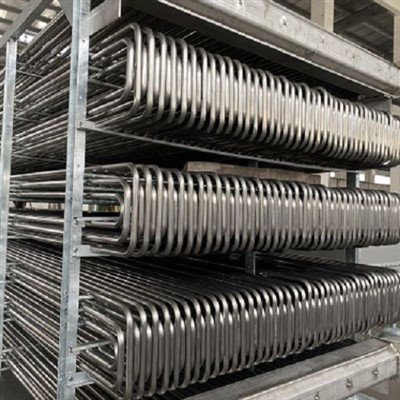
If you’re in the market for air cooled heat exchanger tubes, or if you’re looking to upgrade your existing ACHE components to reduce maintenance costs, reach out to our team to discuss your specific application. We work with facilities of all sizes, from small industrial plants to large refineries, and we’ll help you select the right material, size, and finish to meet your operational needs. Our experts can also run performance calculations and provide testing data to ensure the tubes will stand up to your unique conditions.
Closed Circuit Cooling Tower References:
- Engineering Guide to Air Cooled Heat Exchangers, Hydrocarbon Processing, 2022
- Corrosion Resistance of Heat Exchanger Tube Materials, NACE International, 2021
- Material Selection for Thermal Systems, ASME International, 2020
- Air Cooled Heat Exchanger Design and Maintenance Manual, Tubular Exchanger Manufacturers Association (TEMA), 2019
- Thermal Conductivity of Common Heat Exchanger Materials, Journal of Heat Transfer Engineering, Vol. 42, 2021
Hainan Haizhou Fluid Technology Co., Ltd.
As one of the most experienced air cooled heat exchanger manufacturers and suppliers in China, we also support customized service. Please feel free to wholesale bulk high quality air cooled heat exchanger in stock here from our factory. Contact us for more details.
Address: Room 3003A-877, 30th Floor, Tower A, Internet Finance Building, No. 3 Guoxing Avenue, Lantian Subdistrict, Meilan District, Haikou City, Hainan Province
E-mail: FD@jxark.com
WebSite: https://www.hnhzark.com/
