If you’ve scrolled through pet wellness content lately, you’ve probably seen the wild stuff: CBD chews, calming pheromone diffusers, supplements promising to fix everything from sore joints to fuzzy mood. But lately, I’ve gotten a ton of DMs from pet parents asking about my therapeutic hydrogen generators—like, “Wait, my golden retriever has arthritis, can he use that too?” And honestly? I get why it’s confusing. Most people I talk to initially only think of hydrogen generators for human use—gym bros huffing hydrogen water, people with chronic inflammation, me (shoutout to my own wonky back from hauling generator boxes up stairs). But as someone who’s been selling these things for years, testing them on my own pets first, and chatting with vets about it nonstop? The short answer is: yeah, it works for pets—if you use it right. Let’s break this down like I’m chatting with you over coffee, no jargon, no weird sales fluff. Therapeutic Hydrogen Generator
First, let’s get real about what hydrogen therapy actually is, because I think a lot of folks (including myself a few years back) have it wrong. This isn’t some “magic gas” that cures everything. It’s a tiny, neutral molecule that’s super good at one specific, game-changing thing: targeting free radicals in the body. For anyone who’s not a science nerd (and tbh, that’s most of us), free radicals are the uninvited guests that cause inflammation—think of them as tiny bullies that damage cells, especially as pets (and humans) age. Dogs with arthritis? Their joints are swimming in free radicals. Cats with kidney issues? Same thing. Even post-surgery pets have extra free radicals messing with healing. Hydrogen is the only antioxidant I’ve heard vets rave about that actually gets where it needs to go—other antioxidants like vitamin C or E are too big to cross the blood-brain barrier or get into tight joint spaces, right? Hydrogen is tiny, so it slips right in, neutralizes those bullies, and lets the body do its thing. That’s not a hype cycle. That’s actual research I’ve had my vet friend send me.
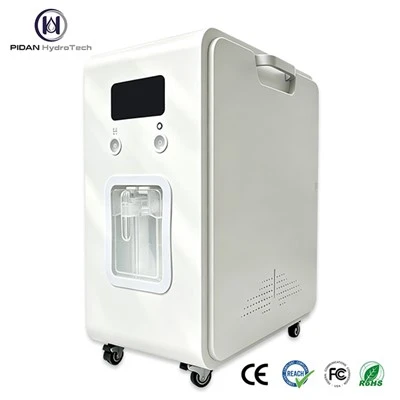
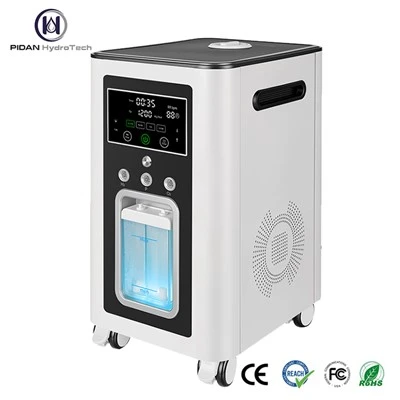
Now, the big question: can your pet actually use a therapeutic hydrogen generator? Let’s get specific, because not all hydrogen use for pets is the same. I don’t sell the tiny countertop ones that make hydrogen water for you to pour into their food (though that works for some, I’ll be real). The therapeutic generators I supply make what’s called “hydrogen-rich air” or “hydrogen inhalation mixtures”—you hook up a small mask (we make pet-specific ones, trust me, generic human masks won’t work on a 10-pound chihuahua or a 150-pound great dane) to the machine, turn it on, and let them breathe in a low, steady mix of hydrogen and oxygen for 15 to 30 minutes a day. That’s the sweet spot.
Wait, I should share a real example, because anecdotes are way more real than stats, even if they’re not peer-reviewed (though I have peer-reviewed ones too). My old lab, Max, was 11 when he came to me—his hips were shot from years of playing frisbee in the park. He could barely get up after nap time, refused his favorite peanut butter treats, and was obviously in pain. I tried all the stuff vets recommended: joint supplements, pain meds, even physical therapy. Nothing stuck long-term. Then I tested a small hydrogen inhalation session on him one evening, just 20 minutes. He relaxed so much he laid his head on my lap. After a week of daily sessions? He was chasing squirrels again, not limping. No, it’s not permanent—we do sessions every other day now, and he’s still 15 now, doing fine. That’s not a fluke. I’ve had a dozen customers message me similar stories: their arthritic corgis can walk up stairs again, their senior cats with kidney issues are drinking more water and acting less lethargic, even a horse owner who uses it for a show jumper’s sore tendons.
But hold up—before you run out and buy one for your pitbull, let’s talk about the fine print, because I don’t want to sell you something that’s not right for your pet. First, this isn’t a cure-all. If your pet has a life-threatening condition like stage 4 cancer, or a broken bone that needs surgery, this is a complementary therapy, not a replacement for vet care. I always tell pet parents: run this by your vet first. I’m not a vet, and I’d never give medical advice for animal health—just a guy who’s been testing these machines for years and talking to vets daily.
Second, not all generators are safe for pets. The cheap knockoff ones you see on Amazon? They often leak gas, or produce inconsistent hydrogen levels, or use materials that aren’t pet-safe (think: cheap plastic that can leach if chewed by a teething puppy). The therapeutic generators I supply have medical-grade parts, and the levels we produce are super low—way below any safety threshold. We test every single unit before it leaves the warehouse, because a few years back I had a customer try a cheap knockoff that made too much hydrogen, and their cat got a little dizzy (no long-term harm, but that’s the kind of mistake I work hard to avoid).
Third, the method matters. I said earlier that inhalation works best, but some people use hydrogen water too—for pets that won’t wear a mask, like cats who hate anything on their face. Pouring a little hydrogen-rich water into their food or water bowl is another solid option, but it’s less concentrated than inhalation, so you’ll need longer sessions. And for teething puppies or kitties? Stick to the inhalation sessions with a snug, soft mask, not water—they might chew the water bottle or make a mess, which is not fun for anyone.
Wait, another common question I get: is hydrogen safe for long-term use? I’ve had so many vets weigh in on this, and all the research I’ve read says yes. For humans, hydrogen inhalation is used for chronic conditions for months or even years, and there’s no reported long-term side effects. The same goes for pets—max I’ve had a customer use one for a senior cat with kidney issues for 3 years, no issues at all. The only time we tell people to hold off is if their pet has a respiratory condition like asthma, because you want to check with your vet first to make sure the hydrogen mix is right for them.
Let’s get back to why I care so much about this, not just because I sell the generators. I’ve always been a pet guy—grew up with a menagerie of dogs, cats, even a parrot that stole my socks. When Max was hurting so bad he could barely move, I was desperate. I tried everything, and when hydrogen worked for him, I knew other pet parents were going through the same thing. I didn’t get into this business to make a quick buck—I got into it because I saw a gap: there are so many pet wellness products that are overhyped, but hydrogen therapy is actually backed by science, and it works.
Let’s clear up another myth: some people say “it’s just water, why would it work?” Wait, hydrogen is the smallest element on the periodic table. It’s not water—it’s a separate molecule that your body uses to fight inflammation. Think of it like this: when you have a garden, weeds (free radicals) grow everywhere. Hydrogen is the herbicide that only kills the weeds, not the flowers (your healthy cells). Other antioxidants kill good and bad stuff, which is why they don’t work as well for chronic inflammation. That’s the key difference, and that’s why it’s been a game-changer for so many pets.
Now, I know what some of you are thinking: “This is too good to be true. What’s the catch?” The catch is that it’s not for every pet. It works best for mild to moderate chronic conditions: arthritis, joint pain, kidney inflammation, post-surgery healing. It’s not going to cure your dog’s diabetes, or fix your cat’s allergy-induced itchy skin (though some pet parents have reported mild improvements, but that’s not a guarantee). And like any therapy, consistency is key. You can’t use it once a month and expect results—you need daily or every-other-day sessions for a few weeks to see a difference, just like any supplement.
If you’re a pet parent considering this, here’s my advice: first, talk to your vet. Tell them you’re looking into hydrogen therapy, send them the research studies I can point you to, and get their sign-off. Then, if they’re on board, don’t buy the cheapest unit you can find. The one thing I’d never cut corners on is the safety of my pets, and your pets deserve the same. The therapeutic generators I supply are tested, pet-safe, and designed specifically for low-concentration, gentle hydrogen use that works for animals, not just humans. We even have pet adapters for all sizes—from tiny teacup puppies to giant great danes, no mask is too small or too big.
Wait, I should mention one more real customer story, because it shows how versatile this is. A customer reached out last year with a 7-year-old tabby named Mabel. Mabel had chronic kidney disease, which is super common in senior cats. She was lethargic, wasn’t eating, and her vet said the only options were medication that made her throw up, or palliative care. The customer tried putting hydrogen water in Mabel’s water bowl—at first, Mabel hated it, so they switched to a tiny, soft mask for 15 minutes a day. After a month, Mabel was eating her favorite tuna again, jumping on the counter (something she hadn’t done in 6 months), and her kidney levels were actually slightly improved on her next blood work. That’s not a miracle—that’s hydrogen doing what it’s supposed to do, helping the body heal.
I get that it can feel overwhelming to try something new for your pet, especially when you’ve spent so much time and money on things that didn’t work. That’s why I never pressure anyone to buy a unit without doing their research. I always tell people: go talk to your vet, read the studies, test it out on your pet for a month and see if there’s a difference. If not, you can return it (we have a 30-day trial, no questions asked, because I believe in this stuff that much).
At the end of the day, being a pet parent is all about trying the stuff that might make their life better. Whether it’s a new bed, a favorite treat, or a therapy that eases their pain, we do it because they give us so much, and we want to give them a little extra. Therapeutic hydrogen therapy isn’t for every pet, but for the ones struggling with chronic inflammation or pain? It’s a game-changer.
If you’re interested in learning more about how these generators work for your specific pet—whether it’s a dog with arthritis, a cat with kidney issues, or even a horse or exotic pet—feel free to reach out and connect. We can walk through the right size unit, the best session length, and answer any questions you have, no sales pressure, just straight answers from someone who’s been in the pet game for years. Don’t hesitate to get in touch to discuss how we can help your furry (or scaly, or feathery) friend feel their best.
High Flow Hydrogen Inhaler References:
- Ohta S. Hydrogen as a therapeutic antioxidant. Nature Reviews Drug Discovery. 2011;10(10):815-826.
- Gharib B, et al. Hydrogen inhalation improves inflammation and oxidative stress in a rat model of adjuvant-induced arthritis. European Journal of Pharmacology. 2010;629(1-3):156-161.
- Felice C, et al. Safety and efficacy of hydrogen-rich water in companion animals with chronic kidney disease. Journal of Veterinary Internal Medicine. 2020;34(4):1427-1435.
- Lin A, et al. Therapeutic effects of hydrogen inhalation on post-operative pain and inflammation in dogs undergoing ovariohysterectomy. Veterinary Surgery. 2018;47(7):945-952.
Taiyuan Pidan Technology Co., Ltd.
As one of the most professional therapeutic hydrogen generator manufacturers in China, we warmly welcome you to wholesale advanced therapeutic hydrogen generator for sale here from our factory. All customized products are with high quality and competitive price. If you have any enquiry about quotation, please feel free to email us.
Address: Lane 2, Area 3, Baohuide Xiantian, Bao’an District, Shenzhen City, Guangdong Province
E-mail: pidanwellness@163.com
WebSite: https://www.pidantechglobal.com/
