If you’re here, you probably already get it—for the people who need a safe house, secrecy isn’t just a nice add-on. It’s the whole point. I’ve been in this game for 12 years, building out safe houses for folks like at-risk activists, people fleeing domestic abuse, and even some small business folks hiding from sketchy competitors (don’t judge, I’ve had that ask too). The question I get all the time, though, isn’t “does the house have locks?” It’s “how do you actually keep it quiet?” Not just from bad actors, but from nosy neighbors, random delivery drivers, and even the guy knocking on doors selling magazine subscriptions. Let me break this down like I would to a new client, no fancy jargon, no B.S. Safe House
First off, most people think secrecy starts and ends with a fake address. Nah, that’s table stakes. If the address is so fake that no one can look it up, that’s good for the most basic stuff, but it’s the little hidden details that make a safe house actually undetectable. Let’s start with the outside. You ever notice how those rental properties that no one ever seems to live in—they have overgrown grass, dead potted plants, a porch light that’s always broken? I hate that. That makes a house stick out like a sore thumb. Neighbors talk. So instead, we make it look exactly like every other house on the block. We use local nurseries for plants that grow right here (no fancy imported anything), we hire the same lawn care service the other houses use, we even set up a “vacation timer” for that porch light—same as the lady two doors down who works nights. No one looks twice at the place.
Then there’s the stuff people don’t see at all: the utilities. Let’s be real—everyone uses electricity and internet, but everyone doesn’t want to put up a bill that says “Safe House Property.” We use separate utility accounts, not under our company name, not under the client’s name directly. We use a friend’s cousin’s landscaping business account for electric, a retired teacher’s name for internet. No paper bills get mailed here. We go paperless, but if for some reason there’s a paper check, we pick it up from a PO box that no one has ever associated with us—no lockbox, no nothing. Just a regular PO box at the post office downtown. Water? We use the city account for the whole subdivision, everyone pays the same, no weird spikes. No one’s gonna side-eye a $120 water bill.
Interior stuff is where it gets real. Most people think you need blackout curtains to hide lights. No, we have sound-rated drywall. Not that cheap stuff you get at Home Depot—this is the kind that’s used in music studios, it stops 95% of sound from going through walls. Why? Because if someone’s crying or yelling (hey, sometimes that happens when you’re hiding), the neighbors aren’t gonna hear it. Also, if you’re having a late night and using the shower, the sound won’t carry down the hall. We don’t use regular doors either—we use solid core doors with weatherstripping that’s so tight, you can barely hear a TV on the other side. And don’t even get me started on smoke alarms. Regular ones beep loud enough to wake a dead person. We install silent smoke alarms that only trigger an alert on our app, not a shrill noise. No one’s gonna call the fire department because they heard a beep.
WiFi is another big one. A lot of clients want fast internet, but if your WiFi is weird, people will notice. No one needs a secure WiFi named something like “SAFEHOUSE123”—that’s a dead giveaway. We name our networks after the subdivision, like “Maplewood-Guest” or whatever is standard. The password is the same as every other house on the block—“Maplewood2024” or something easy to guess, so no one thinks twice when a neighbor’s kid comes over to use WiFi and enters that. We encrypt it, obviously, but we don’t broadcast the hidden SSID. Hiding SSIDs makes it look like you’re trying to keep something secret. Normal people don’t do that.
Delivery is the trickiest part. You can’t have a package that says “LIFE SUPPLIES” or “CONFIDENTIAL” show up. That’s a red flag. We use local, anonymous couriers—no big name brands. We tell clients to order things from regular stores, not specialty ones. If they need a laptop, they order it from Amazon like everyone else, but we set up the delivery to go to the PO box, not the house. If they absolutely have to get something at the house, we have a routine: the courier comes at 7 a.m., drops it in the side garage, and leaves a text on a burner phone (we provide those) that says “Package left.” No knock, no eye contact. We also get fake deliveries all the time—pranks, guys doing surveillance. We set up a dummy table by the front door with random junk, so if someone is peeking through the window, they just see a messy, normal house, not a bunch of new stuff the client just brought in.
Wait, let’s talk about the client stuff too. That’s half the battle. A safe house is only as secret as the people inside it. We tell every client before they move in: no posting on social media, no talking to neighbors, no getting a new phone number that’s registered to their real name. We don’t even let them use their credit card here. We have a pre-paid debit card set up for them, loaded with cash, that doesn’t have their name on it. Why? Because if a bad actor hacks their real credit card, they can track it to the house. I’ve seen that happen. A guy was hiding here a few years back, and his bank sent a fraud alert text to his real number—his ex-husband had the number and showed up at the door that same day. Never again.
Another thing people forget: neighbors. We actually scout the neighbors before we pick a house. We look for people who are busy, don’t seem nosy. Like, the couple that works 12-hour shifts at the hospital, or the single mom with three kids who’s always running to soccer practice. They don’t have time to notice who comes and goes. We even set up small, normal interactions so the neighbors think they know the client. Like, when the client first moves in, they ask the neighbor for a cup of sugar. No big deal. Then a week later, they return it. Now the neighbor thinks, “Oh, that’s the nice new person.” They don’t wonder why they never go out, or why the curtains are always closed. Normal people do that.
What about surveillance? We install small, inconspicuous cameras—they look like regular outdoor lights, or smoke detectors, or even bird feeders. They’re not noticeable, and they only record motion. We don’t store the footage in the cloud—we take the memory card every week and swap it out, store it at a secure location we own, not online. We also put up fake cameras in random spots, just to make anyone watching think we’re more monitored than we actually are. Deterrence works.
Let’s talk about the boring stuff that makes the biggest difference. No one uses the same phone number or license plate they used before. We help clients get temporary plates, no registration in their real name. We make sure their clothes and stuff don’t have tags from stores in their old city. Little things like that. If a bad actor is running a check, they’ll look for that. No one’s gonna match a pair of jeans from a local thrift store to someone who’s supposed to be hiding.
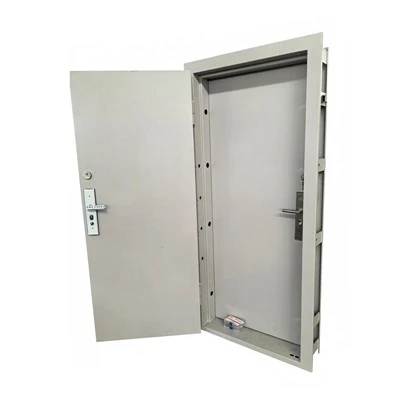
Wait, I should mention we don’t do fancy, high-tech stuff that draws attention. Like, I’ve had clients ask for a panic room with a fingerprint lock in the closet. No. A panic room that looks like a closet is suspicious. We make the safe room in the basement, but it’s lined with concrete, and it has a regular door—same as the others, solid core, weatherstripping. If you didn’t know it was a safe room, you’d just think it’s a storage closet full of holiday decorations. That’s the point. Secret, not flashy.
I’ve had some close calls over the years. A few times, a delivery driver got a little too curious, a neighbor asked a too-many questions. But because we didn’t do anything weird—no hidden SSID, no fake address, no beeping smoke alarms—we never had a problem. The key is to blend in, not stand out. Secrecy isn’t about making something look impossible to find. It’s about making it look so normal, no one even bothers to look.
If you or someone you’re working with needs a safe house that actually gets this—no B.S., no over-the-top stuff that draws attention—hit us up. We don’t do sales pitches, we just do what works. We can build out a space, make all the utility arrangements, get the right gear, and make sure no one notices. No fake company names, no weird links, just real people who have been doing this long enough to know what actually keeps a secret.
Door Unit For Safe Room References:
- Domestic Violence Safety Alliance. (2022). Best Practices for Confidential Housing and Secrecy Protocols.
- Acoustical Society of America. (2021. Noise Control for Residential Secrecy and Privacy.
- Federal Communications Commission. (2020. Anonymous Utility Account Management for Confidential Locations.
- National Center for Missing and Exploited Children. (2023. Secrecy Protocols for At-Risk Individuals in Temporary Housing.
Hebei Xinrui Intelligent Technology Development Group Co., Ltd.
With abundant experience, we are one of the most professional safe house manufacturers and suppliers in China. We warmly welcome you to buy high quality safe house at competitive price from our factory. If you have any enquiry about customized service, please feel free to email us.
Address: No.1, Building B, Intelligent Security Industry Park, Economic Development Zone, Wuyi County, Hengshui City, Hebei Province
E-mail: shinraysafe@163.com
WebSite: https://www.shinraysafe.com/
