If you’ve ever shopped for office furniture, kitchen cabinets, or affordable built-in storage, chances are you’ve come across melamine board. As a melamine board supplier who’s been in this industry for over 12 years, I’ve lost count of how many times customers—from small café owners upgrading their kitchen prep areas to hospital admins sourcing durable patient room storage—ask me the same question: “How long does this stuff actually last?” It’s a fair question. Unlike solid wood, which wears and ages in very visible, organic ways, melamine board can feel a bit mysterious under that smooth, printed surface. The short answer is that with proper care, quality melamine board can last anywhere from 10 to 20 years, but that number depends on a lot more than just the material itself. Today, I want to break down what determines that lifespan, share real-world examples from projects I’ve worked on, and clear up some of the misconceptions that lead people to write off melamine as “cheap” or short-lived. Melamine Board
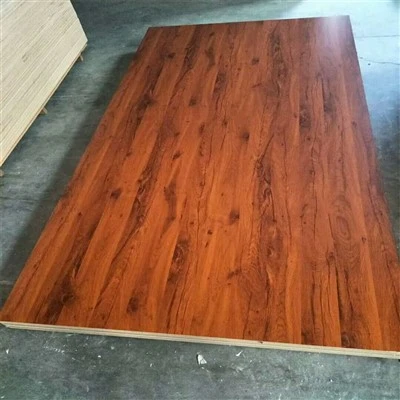
First, let’s get one basic fact straight: melamine board isn’t solid melamine. It’s an engineered wood product—usually particleboard or medium-density fiberboard (MDF) core—coated with a thin layer of melamine resin that’s heat-pressed onto the surface. That melamine layer is a hard, durable plastic, and that’s where most of its strength comes from. But the core material, the quality of the press, and how it’s installed and cared for all play huge roles in how long it holds up.
Let’s start with the most important factor: manufacturing quality. Not all melamine board is made the same. Early in my career, I worked with a small cabinet maker who sourced cheap melamine board from a no-name supplier. Within three years, half their kitchen cabinet jobs had peeling surfaces, water damage on the sides, and boards that were warping after just a few months of humid summer weather. That’s because those boards were pressed with too little heat and pressure, so the melamine layer didn’t bond properly to the core. The core itself was low-density particleboard made from recycled wood chips with lots of gaps, so it absorbed moisture like a sponge. Compare that to the premium melamine board I supply now—boards where the melamine layer is pressed at over 300 degrees Fahrenheit with enough pressure to create a near-impenetrable bond, and the core is formaldehyde-free MDF or high-density particleboard made from kiln-dried wood chips. Those boards don’t just resist peeling; they resist moisture far better, which is a big deal for areas like bathrooms or busy commercial kitchens. I recently did a project for a chain of coffee shops in Seattle, where humidity is constant year-round. We installed high-grade melamine prep counters three years ago, and not a single one has had to be replaced. That’s a testament to how manufacturing quality directly impacts lifespan.
Next, the environment where the melamine board is used. That’s a variable I see all the time, and it’s the reason two identical melamine boards in different locations can have wildly different lifespans. A melamine board used in a home office, where it’s only getting light daily use, kept out of direct sunlight and away from spills, can easily hit that 15 to 20 year mark. I have a customer in Portland who bought custom melamine bookshelves from me back in 2008. They’re still in perfect shape—no scratches, no fading, just a little slight patina on the edges from being moved a couple times. Now, take that same board and put it in a commercial bakery, where it’s constantly exposed to flour dust, sugary spills, and occasional steam from ovens, and that lifespan drops to 7 to 10 years. Or put it in a kid’s playroom, where it’s covered in crayon marks, sticky juice spills, and gets banged with toy trucks, and you’re looking at 5 to 8 years, maybe less if you don’t clean up the spills right away. Direct sunlight is another big one. Melamine is fade-resistant, but not fade-proof. If you put a melamine board with a light color in a spot that gets direct afternoon sun for 8 hours a day, it will start to yellow or fade within 5 years, even with the highest quality board I supply. I learned that the hard way on a project for a restaurant that put melamine menu boards on their outdoor patio. They thought the UV-resistant melamine layer would hold up, but they didn’t account for the intense California sun, and after two years, the blue boards had faded to a pale gray. We fixed that by switching to a UV-stabilized melamine grade for their next order, and those have held strong for four years now.
Installation is another make-or-break factor. I’ve seen perfectly good melamine boards ruined by bad installation, cutting their lifespan in half. The biggest mistake people make with melamine board is not sealing the edges. When you cut melamine board to size for shelves or cabinet sides, you expose the raw core. If you don’t immediately seal those cut edges with edge banding—either PVC, wood, or the same melamine material—moisture can seep in, causing the core to swell, the melamine layer to bubble or peel, and the whole board to warp. I once consulted on a home reno where a handyman installed melamine cabinets without sealing the edges. Within two years, the cabinets under the sink had swollen so much that the doors wouldn’t close. Simple edge banding would have added at least 10 years to their lifespan. Fastening is another part of installation. If you screw melamine board too close to the edge, or use cheap fasteners that pull out, you’ll have loose shelves or cabinet doors within a few years. We always share installation guides with our customers, including professional tips on edge banding and fastener placement, because even the best board can fail if it’s installed wrong.
Then there’s care and maintenance, which is often the most overlooked part of extending melamine board life. The good news is that melamine is easy to care for—way easier than solid wood or laminate. But that doesn’t mean it’s indestructible. Spills are the main culprit. If you leave a wet coffee or juice on a melamine counter for hours, especially on the edges, that moisture can seep into the core. The fix is simple: wipe up spills immediately with a soft, dry cloth. Never use abrasive cleaners, like scouring pads or bleach, because they can scratch the melamine layer. For crayon marks or sticky residue, a little warm soapy water on a microfiber cloth works fine, or even a non-abrasive all-purpose cleaner. We tell our customers to avoid placing hot pans or appliances directly on melamine surfaces, though. The melamine layer is heat-resistant, but not heat-proof. A hot skillet or a curling iron left on a melamine shelf can melt or discolor the surface. Use coasters or heat mats, and you’ll avoid those permanent marks.
I also want to address some common myths about melamine board longevity. The first is that it’s all cheap and low-quality. That’s just not true. Premium melamine board is actually more durable than solid wood in many high-use areas. Solid wood scratches easily, can dent, and requires regular sealing and staining every few years. Melamine only needs a quick wipe-down to stay clean, and that hard surface is way less likely to show scratches from regular use. I supply melamine to hospital waiting rooms, where furniture gets used by hundreds of people a day, and it holds up way better than the solid wood furniture they used before switching to melamine. Another myth is that once it’s scratched, it’s ruined. Minor scratches on melamine surfaces can be buffed out with a melamine repair stick, which is cheap and easy to use. For deeper scratches, a little wood filler matched to the core color works, and you can touch up the melamine layer with a paint pen designed for melamine. It’s not perfect, but it’s a simple fix that extends the life of your boards without needing to replace them.
Over the years, I’ve seen melamine board last much longer than the average 10 to 20 years when it’s handled right. I have a customer in a small café in Boston that’s had my melamine counters since 2005. They use them every day for rolling out dough, cutting food, wiping them down multiple times a day, and they’re still in great shape. The only reason they’re thinking about replacing them now is because they want to update the color to match their new branding, not because the counters are worn out. On the flip side, I’ve seen boards that failed in 3 years because of poor installation, lack of edge sealing, and being placed in a high-moisture area without proper care. That’s why as a supplier, I don’t just sell you a board and walk away. I work with customers to match the right melamine grade to their specific use case. If someone is building a bathroom vanity, I’ll recommend a water-resistant MDF core melamine with pre-sealed edges. If someone is building a play table for a daycare, I’ll suggest a scratch-resistant, easy-to-clean melamine that can handle kid use. That customized approach is part of how we ensure our customers get the maximum lifespan out of their melamine board.
At the end of the day, melamine board is one of the most practical, cost-effective building materials on the market, and its lifespan makes it a smart investment for residential and commercial projects alike. But that lifespan isn’t a given—it’s tied to manufacturing quality, where you use it, how you install it, and how you care for it. If you’re considering melamine board for your next project, don’t just go for the cheapest option on the shelf. Ask about the core material, the melamine grade, and whether the edges will be sealed. And once you have your boards, take a few simple steps to extend their life: wipe up spills immediately, avoid placing hot items directly on the surface, seal cut edges right away, and use non-abrasive cleaners.
If you’re ready to source high-quality melamine board for your project, or you have questions about which grade is right for your needs, I’d love to chat. We work with small business owners, contractors, homeowners, and large commercial clients, and we can help you find the perfect melamine board that will last for years to come. Don’t hesitate to reach out to start your purchase discussion.
OSB Board References
- American Wood Council. (2021). Engineered Wood Products: Performance and Durability.
- National Kitchen and Bath Association. (2022). Cabinet Material Durability Guide for Residential and Commercial Applications.
- U.S. Consumer Product Safety Commission. (2020). Surface Coatings for Wood Products: Durability and Maintenance.
- Wood Products Development Council. (2019). Melamine-Coated Wood Panels: Manufacturing, Performance, and End-of-Life Considerations.
Lisen Wood Industrial Shouguang Co., Ltd.
Lisen Wood Industrial Shouguang Co., Ltd. is one of the most professional melamine board manufacturers and suppliers in China, featured by quality products and low price. Please rest assured to buy discount melamine board from our factory. Welcome to contact us for quotation and free sample.
Address: Nongsheng road, shouguang,shandong province, china
E-mail: liuzhenxi@lisenboard.com
WebSite: https://www.sglswood.com/
