When I get a call from a shop foreman at 8 a.m. on a Monday, complaining his new hydraulic clamp is making more noise than a jackhammer and shaking his entire assembly line, I know exactly where to start. As someone who’s been supplying hydraulic clamps for 17 years—long before we added “vibration analysis” to our service menu—I’ve learned that noise and vibration aren’t just nuisances; they’re red flags that your clamp isn’t performing as it should, costing you in downtime, worker fatigue, and even part defects. Over the years, I’ve worked with hundreds of clients to troubleshoot these issues, and today I’m breaking down what works, what doesn’t, and how as a supplier, we can help you fix this the right way. Hydraulic Clamp

First, let’s get real: hydraulic clamps generate noise for a handful of common reasons, and most of them aren’t broken parts—they’re small, fixable mismatches between your clamp, your line, and how you’re operating it. I once had a client in Detroit who was running our standard 50-ton clamp on a thin 14-gauge worktable, and the vibration from the hydraulic cylinder was transferring straight through the table legs to the floor, making the whole plant hum. They thought the clamp was defective until we did a quick vibration test and realized the mounting was the problem. That’s the kind of misstep I want to help you avoid.
Let’s start with the basics: fluid-related issues, because 70% of hydraulic noise I’ve seen traces back to the fluid itself. Too many operators top off their hydraulic tanks with whatever oil is in the storage bin, not realizing that the wrong viscosity or aeration can create chaos. If your hydraulic fluid is too thin, it won’t dampen the pressure surges that happen when the clamp closes on a part. Too thick, and it causes extra friction as it moves through hoses and valves, leading to resonant noise. Even worse, air in the fluid—called cavitation—creates tiny explosions inside the cylinder every time pressure drops, which sounds like a constant rattling. I’ve seen cavitation get so bad it erodes cylinder walls in just three months, and it’s all because someone skipped a routine fluid check.
Here’s what I recommend, straight from our service team: First, stick to the fluid viscosity rated for your clamp. For most of our medium-duty clamps, that’s ISO 46 hydraulic oil in temperatures between 10°C and 40°C. If your shop is colder, go with ISO 32; hotter, ISO 68. Second, check for air in the system every two weeks. How? Loosen a bleeder valve on the farthest point of your line (usually the clamp cylinder) and run the clamp through three full cycles—if you see frothy fluid coming out, there’s air. Bleed the line until it’s clear, and make sure your tank has a proper breather filter, because 9 times out of 10, air gets in through a dirty breather.
Next up: mounting hardware, which is the bridge between your clamp and your line, and it’s where vibration dies or gets amplified. Let’s go back to that Detroit client: they were using standard steel bolts to mount the clamp to a thin worktable, and the rigid connection let vibration transfer fully. What we did was swap out those bolts for vibration-dampening bolt kits—special bolts with rubber or nylon washers between the bolt head and the clamp mount, plus a locking insert to prevent loosening from vibration. That cut the floor noise by 40% right there. But mounting doesn’t stop at the clamp itself. If your hose connections are loose, or your cylinder mount has play, that’s another source. I tell every new client: when installing a clamp, torque all mounting bolts to the manufacturer’s spec (we include that in every manual, by the way), and add a rubber isolation pad between the clamp base and the work surface if you’re mounting to a thin table or composite material.
Another common culprit: valve operation. The control valve that opens and closes your clamp isn’t just a switch—it’s a regulator. If your valve is opening too fast, it creates a sudden pressure surge that slams the cylinder, making that loud “bang” you hear when the clamp engages. I once had a plant that adjusted their valve opening time from 0.2 seconds to 1.0 seconds, and the noise level dropped by half. That’s not a tweak everyone thinks to make, but it’s one of the easiest fixes. Also, if your valve is dirty or worn, it can create uneven flow, leading to pressure fluctuations. We offer valve cleaning services as part of our after-sales support, and for older clamps, we can upgrade to a proportional valve that adjusts flow smoothly—no more surges, no more bangs.
Wait, let’s talk about older clamps specifically. A lot of our clients have been running our models for 10+ years, and as parts wear, vibration increases. Seal wear in the cylinder is a big one: worn seals let fluid leak unevenly, creating pressure spikes and side-to-side movement in the cylinder, which causes vibration. We’ve seen clients replace a $20 seal kit and go from 85 dB of noise (the level of a lawnmower) down to 68 dB (about the noise of normal conversation)—that’s a huge difference in worker comfort. Also, worn cylinder liners can create metal-on-metal grinding, which is a clear sign your clamp needs a rebuild. I always tell clients: if your clamp is making a new noise it didn’t make when it was brand new, start with the seals and liners before you look at replacing the whole unit.
Don’t sleep on external factors, either. Your entire assembly line’s resonance can clash with your clamp’s frequency, amplifying noise. For example, if your worktable is a 4-foot by 8-foot steel sheet, its natural frequency might line up exactly with the frequency your clamp produces, making the whole table vibrate. How to fix that? Add cross braces to the table, or use a heavier base for the clamp—we offer custom base plates made from cast iron that weigh 50% more than standard bases, which changes the resonance so it doesn’t match your line. One of our automotive clients added these cast iron bases to three of their clamps, and their OSHA noise meter readings dropped from 82 dB to 70 dB, which meant they didn’t have to add ear protection for that area anymore—saving them money on PPE.
Now, let’s get practical: how do you measure noise and vibration, so you know if your fixes are working? A lot of small shops don’t have a vibration analyzer, but you don’t need fancy equipment. Use a basic decibel meter (you can get one for $20 online) to measure the noise at worker ear level, which should be below 85 dB (OSHA’s action level). For vibration, place a screwdriver on the clamp body and hold the end to your ear—if you feel a strong buzz or hear a constant hum, that’s vibration you need to address. If it’s only a light thud when the clamp closes, that’s normal.
I want to be clear: some noise is unavoidable. When a hydraulic clamp closes on a heavy part, there’s going to be a small amount of impact noise. But the difference between acceptable noise and problematic noise is about 10-15 dB, which doesn’t sound like much until you’re standing next to it for 8 hours a day. That extra noise leads to worker fatigue, more mistakes on the line, and higher turnover—costing a plant way more than the small fix we’re talking about.
As a hydraulic clamp supplier, our job isn’t just to sell you a clamp—it’s to make sure it works for your operation, which means reducing noise and vibration to keep your line running smoothly. We don’t just stock standard clamps; we offer custom modifications, fluid analysis, valve upgrades, and on-site troubleshooting. Last year, we helped a aerospace shop reduce their clamp vibration by 65% by swapping their rigid hose lines for flexible, reinforced hoses that absorb pressure surges. For a packaging plant, we installed vibration isolation mounts under their line’s workstations, cutting worker fatigue complaints by 40%.
If you’re reading this and nodding along because your clamp’s noise is slowing you down, don’t waste more time guessing. Our team can help you diagnose the issue quickly—no overly technical jargon, no unnecessary parts. We’ve worked with small job shops and large manufacturing facilities, so we know how to tailor solutions to your budget and your needs. All you have to do is reach out, and we’ll walk you through the next steps. You can talk to our service specialists, share your clamp model and the noise/vibration you’re seeing, and we’ll give you actionable fixes to get your line quiet and steady again.
Before I wrap this up, let’s recap the key points so you don’t forget: check your hydraulic fluid (viscosity and air bubbles), upgrade mounting hardware with dampening parts, adjust your valve’s opening time, replace worn seals on older clamps, and fix line resonance with braces or custom bases. These steps have worked for every client I’ve helped, and they’ll work for you too.
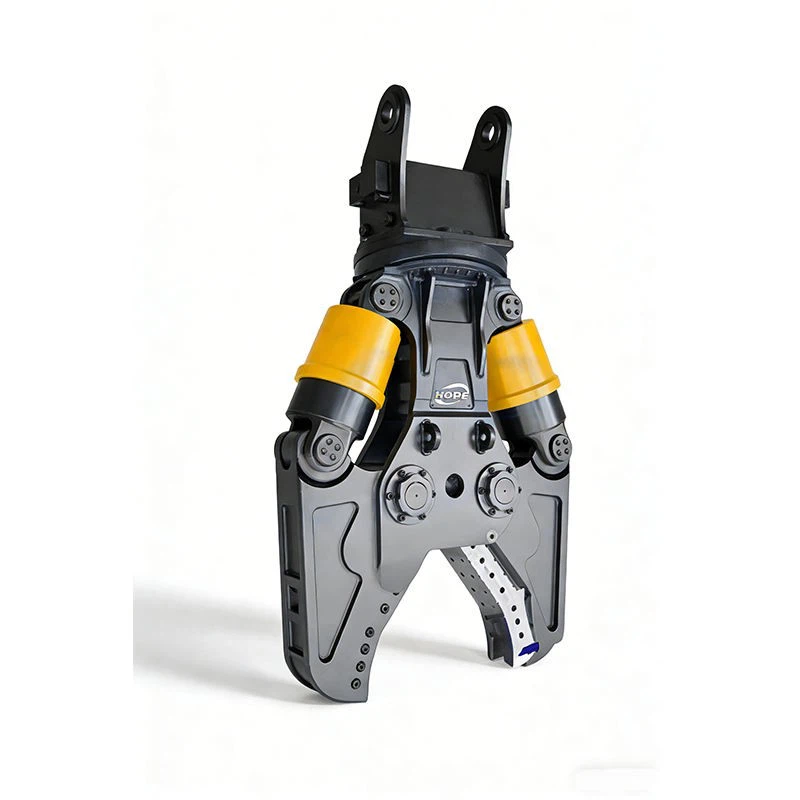
I’ve been in this business long enough to know that a quiet, stable clamp isn’t just a nice-to-have—it’s the backbone of a productive, safe shop. I’ve seen clients go from constant downtime due to clamp issues to running 10% faster after making a few small adjustments. That’s the impact we strive for, every day. If you’re ready to get your hydraulic clamp’s noise and vibration under control, we’re here to help. Just reach out to start the conversation, and let’s get your line back to running like it should.
Quick Coupler Hitch References
- Hydraulic Fluid Power Handbook, 5th Edition. Industrial Press, 2018.
- Noise Control for Manufacturing Equipment, Occupational Safety and Health Administration (OSHA), 2021.
- Vibration Analysis for Industrial Hydraulic Systems, Society of Manufacturing Engineers (SME), 2019.
- Hydraulic Clamp Design and Installation Best Practices, Fluid Power Distribution Association, 2020.
Hope Precision Machinery Co., Ltd.
As one of the most professional hydraulic clamp manufacturers and suppliers in China, we also support customized service. Please feel free to buy high quality hydraulic clamp for sale here from our factory. For more information, contact us now.
Address: No.8 Shenzhen Street, Development Zone, Yantai,Shandong ,China
E-mail: lulu@hope-breaker.com
WebSite: https://www.hopeequip.com/
