If you’ve ever hauled grain, seeds, fertilizer, or feed in those crinkly woven poly bags we supply, you know how handy they are—until you mess up the small stuff that can turn a simple load into a safety nightmare. I’ve been in the agricultural woven bags game for 8 years now, and I’ve seen it all: a farmer in Iowa who stacked his corn bags too high and came crashing down, a ranch hand who sliced his hand open on a frayed bag edge while hauling hay, a whole batch of seed that went bad because someone stored them too close to a leaky pipe. These bags aren’t just cheap plastic; they’re tools that need respect, and following the right safety steps isn’t just a rule—it’s how you keep your team healthy and your products intact. Agricultural Woven Bags
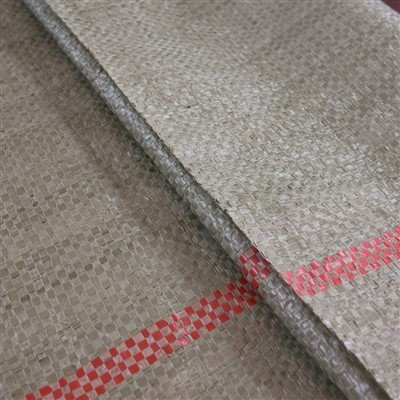
First off, let’s talk about inspecting the bags before you even touch them. I get it, when you’re in a hurry to get wheat harvested before the rain, checking every single bag feels like a waste of time. But trust me, a 2-minute glance can save you from a trip to the ER or a massive loss. When our bags leave the warehouse, they’re strong, UV-stabilized, and stitched tight—but that doesn’t mean they’ll survive being bounced around on a truck or jostled in a warehouse. What should you look for? First, frayed edges on the sewn seams. Those big, thick stitches are designed to hold 50, 100, even 200 lbs (depending on the bag size) of product, but if a stitch snags on a forklift tine or gets rubbed raw during transport, it’ll snap when you load it. I’ve had customers call me panicking because their bag split in half mid-unload, spilling 80 lbs of sunflower seeds all over the ground. That could’ve been avoided if they noticed a loose thread along the bottom seam before filling it.
Next, check for holes or tears. A tiny pinprick hole from a sharp rock or a nail in a pallet might not seem like a big deal, but when you fill the bag, that hole will stretch into something way bigger. And if you’re storing fertilizer or other corrosive chemicals in the bag, a tiny tear can leak onto whatever’s next to it—ruining seed, corroding metal tools, even burning someone’s skin if they touch the leaked chemical. Oh, and don’t forget the UV protection check if you’re storing bags outside. Our woven bags have UV inhibitors that last 6-12 months when stored properly, but if a bag has been sitting in the sun for 3 months straight, the plastic will get brittle and crack. I once worked with a family farm that left a pallet of empty bags outside for a whole summer, and half of them crumbled when they tried to load them—total waste of $400. That’s not a cost you want to eat.
Now, filling the bags—this is where most accidents happen, and it’s all about the load. First, never overfill a bag. I know, it’s tempting to cram an extra 10 lbs of seed or grain in there to skip a bag, but that extra weight puts way too much stress on the seams and makes the bag way harder to lift. A standard 50-lb woven bag is designed to hold exactly 50 lbs, give or take a pound for settling. If you overfill it, the sides will stretch, and when you drag or lift it, the seam will split. And when that bag splits, the contents can go flying—if someone’s standing nearby, that’s a risk of being hit in the face or eyes, which is no joke. I’ve seen a farmer get hit in the eye with a handful of corn, and he had to wear an eye patch for 2 weeks. Not worth it.
Also, when filling the bag, don’t drop the product in from 3 or 4 feet up. That force not only can bust the bag on impact but also creates a lot of dust—grain dust, seed dust, fertilizer dust—all of which are flammable. Wait, flammable? Yeah, a small spark from a static charge or a tool can set that dust cloud on fire, and it’ll explode faster than you can blink. I don’t want to scare anyone, but that’s a real thing. Last year, a grain elevator nearby had a dust explosion because someone dumped grain from too high, creating a big cloud, and a welding spark nearby set it off. Nobody got hurt bad, but a lot of equipment was destroyed. So, fill the bags from a height of 1-2 feet, not higher, and if you’re dealing with fine dust, make sure the area is well-ventilated and no open flames are around.
Then, the lifting and moving part. This is where back injuries and cuts happen. First, never lift a woven bag like it’s a dumbbell—bend at your knees, not your back. I’ve seen guys try to lift a full bag straight from the top, and they throw out their back so bad they can’t work for a month. Those bags are heavy, and your back isn’t made to lift 50 lbs with just your arms and lower back. Pro tip: put your feet close to the bag, grip the bottom sides of the bag (not the top seam, which will tear), and lift with your legs. It sounds simple, but so many people skip that step.
If you’re using machinery—forklifts, pallet jacks, conveyor belts—with the bags, make sure you’re using the right attachments. Never hook a forklift tine through the top seam of a full bag. That’s a surefire way to tear the bag. Instead, use a pallet specifically designed for woven bags, or use a forklift attachment with slots that fit under the bottom of the bag, so you’re not putting stress on the seams. If you’re stacking bags, don’t stack them higher than 10 feet, and make sure they’re stacked straight, not leaning. I mentioned that Iowa farmer earlier—he stacked his corn bags 12 feet high, and a storm came through with high winds, knocked the stack over, and he tried to catch a bag to keep it from falling, twisted his ankle, and had to miss harvest for a week. Stacking too high is just a safety and storage risk; the bags at the bottom will get squished, and whatever’s in them might get damaged.
Storage is another big one that most people overlook, especially if you’re storing empty bags. If you leave empty woven bags outside in the sun, rain, or snow, they degrade super fast. UV rays break down the plastic, moisture makes the mold grow, and rodents will chew through them like they’re tissue paper. Store empty bags in a cool, dry place—like a barn with good ventilation, or a covered shed. And if you’re storing full bags, keep them off the ground! Putting them directly on concrete or dirt will let moisture seep into the bottom of the bags, ruining grain, seed, or feed. Use pallets to lift them up, so there’s air flow underneath. That also keeps pests like mice and rats from getting in the bags and contaminating the contents. I had a customer a couple years ago who stored full soybeans directly on the ground, and mice got into 12 bags, so he had to throw the whole lot away—lost $1,500, all because of bad storage.
Now, what about handling hazardous materials? A lot of our customers use these bags for fertilizer, pesticides, or even industrial chemicals, and that comes with extra safety steps. First, make sure the bag is rated for the chemical you’re storing. Not all woven bags are the same—some are food-grade, so they won’t absorb chemicals, but others aren’t. If you use a non-food-grade bag for pesticides, the chemical might leak out, or the bag might break, exposing you to harmful stuff. Always check the label on the bag—we clearly mark our bags for what they’re designed to hold, so if you need bags for hazardous materials, just tell us, and we’ll get you the right ones.
When handling chemical-filled bags, wear the right PPE (personal protective equipment): gloves, goggles, and even a mask if the chemical is fine powder. Don’t wear open-toed shoes, and keep the area around where you’re loading or moving these bags free of kids, pets, and other workers. If a bag breaks and spills chemical, don’t just sweep it up and go—follow the safety guidelines for that specific chemical. Some chemicals are corrosive, so you need to wash the area with water, and dispose of the spilled material properly, not just dump it in a field. I can’t stress enough how important this is—chemical exposure can cause skin burns, respiratory issues, or even long-term health problems, so don’t cut corners here.
Oh, and one more thing about disposing of used bags. If a bag is broken or contaminated, don’t just burn it—woven poly bags release toxic fumes when burned, which are bad for you and the environment. Instead, check if your local waste management has a plastic recycling program for agricultural plastics. A lot of communities do now, and they’ll take used woven bags and turn them into new products. If you’re not sure, just ask your local extension office, or we can help point you in the right direction. Burning these bags is not only a safety risk for you but also against the law in some areas, so avoid that.
Let’s talk about some common mistakes I see all the time that are totally preventable. One is using sharp tools to open the bags—using a knife or a screwdriver to slice the top of a bag can easily slip and cut your hand. Instead, use a bag opener tool (they’re cheap, and every farm supply store has them) or just pull the stitches apart carefully with your hands. That’s way safer, and you won’t accidentally tear the bag more than you need to. Another mistake is leaving full bags unattended in public areas or on the side of the road. If you’re hauling bags to market, secure them to the truck so they don’t fall off—they’re a hazard to other drivers, and if they break open on the road, that’s a big mess.
I know, I’m throwing a lot of stuff at you here, but none of these steps are hard, and they all add up to keeping you and your team safe, and saving you money on lost product and medical bills. The whole point of our woven bags is to make your agricultural work easier, not add more work or risk. We design our bags to be durable, reliable, and safe when used correctly, but it’s up to you to follow these basic precautions.
If you’re looking for high-quality, safety-tested agricultural woven bags that fit all your needs—whether it’s for grain, seed, fertilizer, or anything else—reach out to us for a quote or to ask any questions. We’ve been working with farmers and ag businesses for years, so we know exactly what you need, and we’ll make sure you get the right bags for your operation. Don’t risk accidents or lost product—get the right gear, and follow these simple safety steps.
Industrial Woven Bags References:
- Occupational Safety and Health Administration (OSHA). "Hazard Communication Standard for Agricultural Workplaces." U.S. Department of Labor.
- National Agricultural Safety Database (NASD). "Safety Precautions for Handling Agricultural Plastics." University of Florida.
- American Society of Agricultural and Biological Engineers (ASABE). "Standard for Agricultural Woven Polypropylene Bags and Storage." ASABE International.
Jining Shunxing Plastics Co., Ltd.
Jining Shunxing Plastics Co., Ltd. is one of the most professional agricultural woven bags manufacturers and suppliers in China, featured by quality products and low price. Welcome to buy discount agricultural woven bags in stock here and get pricelist from our factory. We also accept customized orders.
Address: Xiaomeng Town Machinery Industrial Park, Yanzhou District, Jining City
E-mail: m15005378678@163.com
WebSite: https://www.sxwovenbag.com/
